

Intensive Dog Training for Lasting Obedience Results
Trends Wave Hub – Trending Style Insights >> Pets>> Intensive Dog Training for Lasting Obedience Results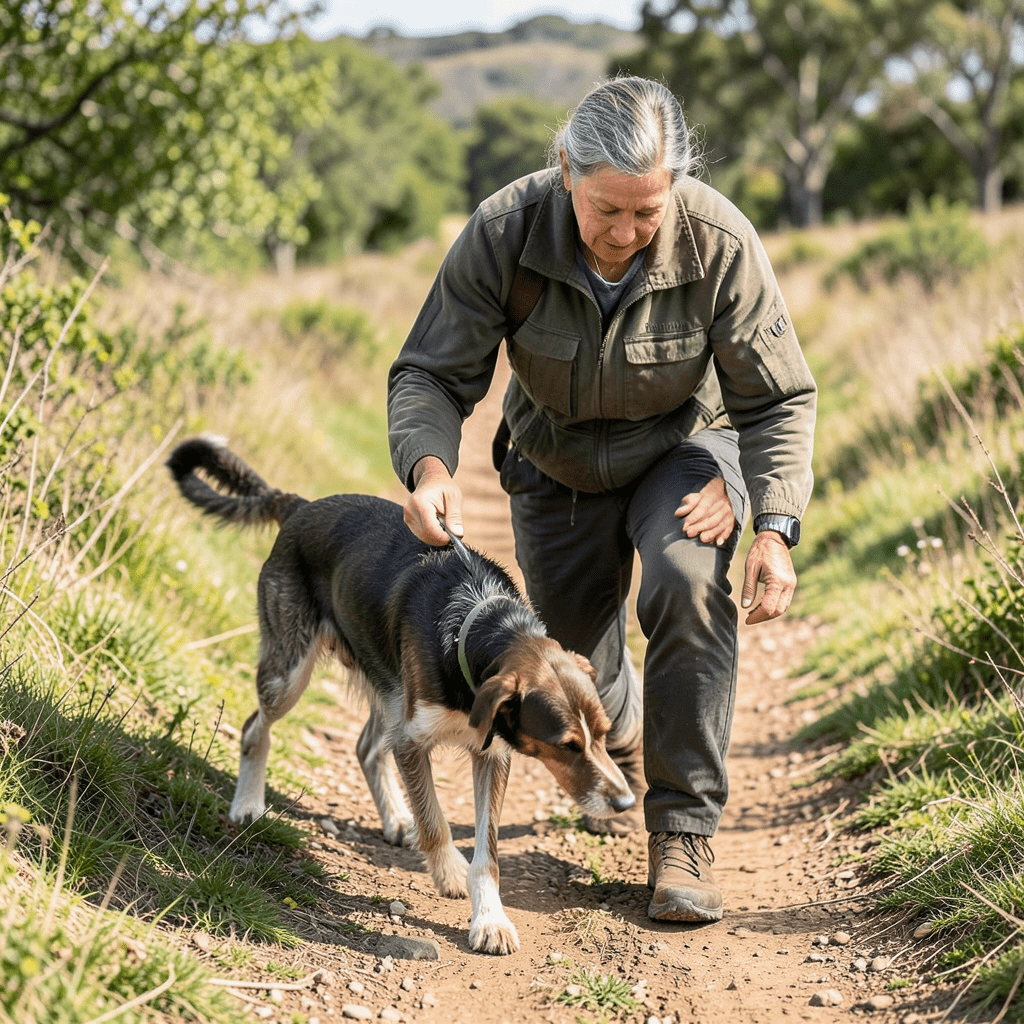
Intensive Dog Training for Lasting Obedience Results
Intensive Dog Training for Reliable Canine Behavior
Intensive dog training is a structured, high-focus method designed to rapidly improve obedience, correct behavioral issues, and build clear communication between dogs and handlers. Unlike traditional weekly sessions, intensive dog training focuses on immersive repetition, consistent reinforcement, and real-world application. This approach helps dogs develop stable habits in a shorter timeframe while strengthening their ability to respond reliably under different conditions.
Professional programs such as those offered by Rob’s Dog Training specialize in this type of structured learning, helping dogs overcome behavioral challenges while building long-term obedience. The goal is not just short-term compliance, but lasting behavioral transformation rooted in clarity and consistency.
For many owners, behavioral issues such as leash pulling, reactivity, aggression, or anxiety can become overwhelming. Intensive programs offer a practical solution by replacing confusion with structure and turning inconsistent behavior into predictable responses.
Why Intensive Dog Training Produces Faster Behavioral Change
The effectiveness of intensive dog training comes from its immersive structure. Dogs learn best through repetition, consistency, and immediate feedback. When training is spread too thin, progress often becomes slow or inconsistent. Intensive training eliminates these gaps.
Instead of occasional lessons, dogs are exposed to structured training throughout the day or week, reinforcing commands until they become automatic responses.
Key reasons this method works efficiently include:
- Repetition strengthens behavioral memory
- Consistent cues eliminate confusion
- Immediate reinforcement accelerates learning
- Real-world exposure improves adaptability
- Structured environments reduce distractions during early learning
This approach mirrors how dogs naturally learn through repeated experiences, making it easier for them to understand expectations and respond appropriately.
Core Principles Behind Intensive Dog Training Programs
Successful intensive dog training is built on structured principles that guide every interaction. These principles ensure that learning is consistent, measurable, and adaptable to different behavioral needs.
1. Clear Communication Between Dog and Handler
Dogs rely heavily on tone, timing, and consistency. Training focuses on eliminating mixed signals so that commands are understood clearly every time.
2. Structured Obedience Development
Basic commands such as sit, stay, heel, down, and recall are reinforced until they become automatic. These foundational skills support more advanced behavioral control later.
3. Controlled Behavioral Correction
Problem behaviors are addressed through calm, structured correction rather than emotional reactions. The goal is to redirect behavior, not create fear or confusion.
4. Gradual Environmental Exposure
Dogs are slowly introduced to distractions such as people, traffic, or other animals, ensuring they can maintain focus in real-world environments.
5. Positive Reinforcement Balance
Reward-based learning is used strategically to reinforce correct behavior and build motivation without dependency on treats or external rewards.
Key Components of a Structured Intensive Training Plan
A well-designed intensive dog training plan is not random—it follows a progressive structure that builds skill layers over time.
Foundational Obedience Training
Dogs begin by mastering essential commands in low-distraction environments. This phase ensures clarity and consistency before progressing to advanced challenges.
Leash and Walking Control
Loose-leash walking is reinforced through repetition and directional control techniques. This helps eliminate pulling and improves handler leadership during walks.
Behavioral Modification Work
Unwanted behaviors such as barking, jumping, or aggression are addressed through structured correction and redirection techniques tailored to the dog’s temperament.
Recall and Off-Leash Reliability
Reliable recall is developed through gradual distance training and controlled distractions. This is one of the most critical skills for safety and independence.
Public Environment Training
Once basic control is established, training moves into parks, streets, and public areas to ensure obedience holds up outside controlled settings.
Dogs That Benefit Most from Intensive Training
While all dogs can benefit from structure, intensive dog training is especially effective for certain behavioral profiles.
Ideal candidates include:
- Dogs with ongoing obedience issues despite previous training
- Rescue dogs adjusting to new environments
- High-energy breeds needing structured guidance
- Dogs with anxiety or reactivity issues
- Pets preparing for advanced roles such as therapy or service work
These dogs often require a higher level of consistency and repetition than standard training programs provide.
Common Behavioral Issues Addressed
Intensive training is designed to target and resolve persistent behavioral challenges that interfere with daily life.
Leash Pulling and Lack of Walking Control
Dogs learn to walk calmly beside the handler without constant tension or resistance.
Excessive Barking and Reactivity
Triggers such as other dogs, strangers, or noises are managed through desensitization and structured exposure.
Aggression Toward People or Animals
Controlled environments are used to reshape responses and reduce reactive behavior over time.
Separation Anxiety
Gradual conditioning helps dogs become more comfortable being alone without stress-driven behaviors.
Poor Recall Response
Dogs are trained to return reliably even when distractions are present, improving safety and control.
Each issue is approached systematically, ensuring long-term behavioral stability rather than temporary suppression.
The Importance of Structure and Routine in Dog Training
Structure is one of the most important factors in successful intensive dog training. Dogs thrive when they understand expectations and routines.
Without structure, dogs may become uncertain, leading to inconsistent behavior or regression. A structured environment provides:
- Predictable learning patterns
- Clear behavioral expectations
- Reduced anxiety through routine
- Faster adaptation to new commands
- Stronger long-term memory retention
Consistency across all training environments ensures that dogs do not become confused by conflicting signals.
The Role of the Handler in Training Success
Training success is not solely dependent on the dog it is heavily influenced by the handler’s consistency and communication style.
Handlers play a critical role by:
- Delivering commands with consistent tone and timing
- Reinforcing behavior immediately and appropriately
- Avoiding mixed signals or inconsistent rules
- Practicing patience during behavioral adjustments
- Maintaining structure across all environments
When handlers remain consistent, dogs respond with greater clarity and confidence.
Long-Term Benefits of Intensive Dog Training
The impact of intensive dog training extends far beyond immediate obedience improvements. It creates long-lasting behavioral stability and strengthens the relationship between dogs and their handlers.
Long-term benefits include:
- Reliable obedience in various environments
- Reduced behavioral regression over time
- Improved emotional stability in dogs
- Safer interactions in public settings
- Stronger trust and communication between dog and handler
- Greater adaptability to new situations
These outcomes contribute to a more balanced, manageable, and enjoyable companionship experience.
Choosing the Right Training Approach
Selecting the appropriate training method depends on the dog’s behavior history, temperament, and the owner’s goals. Intensive training is best suited for cases requiring structured intervention and faster behavioral correction.
Key factors to evaluate include:
- Severity and frequency of behavioral issues
- Dog’s age and prior training exposure
- Environmental demands and lifestyle needs
- Desired speed of behavioral improvement
- Level of consistency available at home
Professional guidance ensures that training methods align with the dog’s specific needs and behavioral patterns.
Building a Stronger Human-Dog Relationship
One of the most valuable outcomes of intensive dog training is the strengthened bond between dog and handler. As communication becomes clearer and expectations more consistent, trust naturally improves.
Dogs begin to view their handler as a reliable leader, while handlers gain confidence in managing behavior. This mutual understanding reduces frustration and creates a more harmonious daily routine.
Over time, training becomes less about correction and more about collaboration, where both sides understand each other’s signals and responses.
Conclusion
Intensive dog training offers a structured, efficient, and highly effective path toward lasting obedience and behavioral improvement. Through repetition, consistency, and controlled real-world exposure, dogs develop reliable responses that carry over into everyday life. Programs like those provided by Rob’s Dog Training demonstrate how a disciplined and systematic approach can transform challenging behaviors into dependable obedience.
For owners seeking meaningful, long-term results rather than temporary fixes, intensive dog training remains one of the most effective methods for building a well-behaved, confident, and balanced dog.