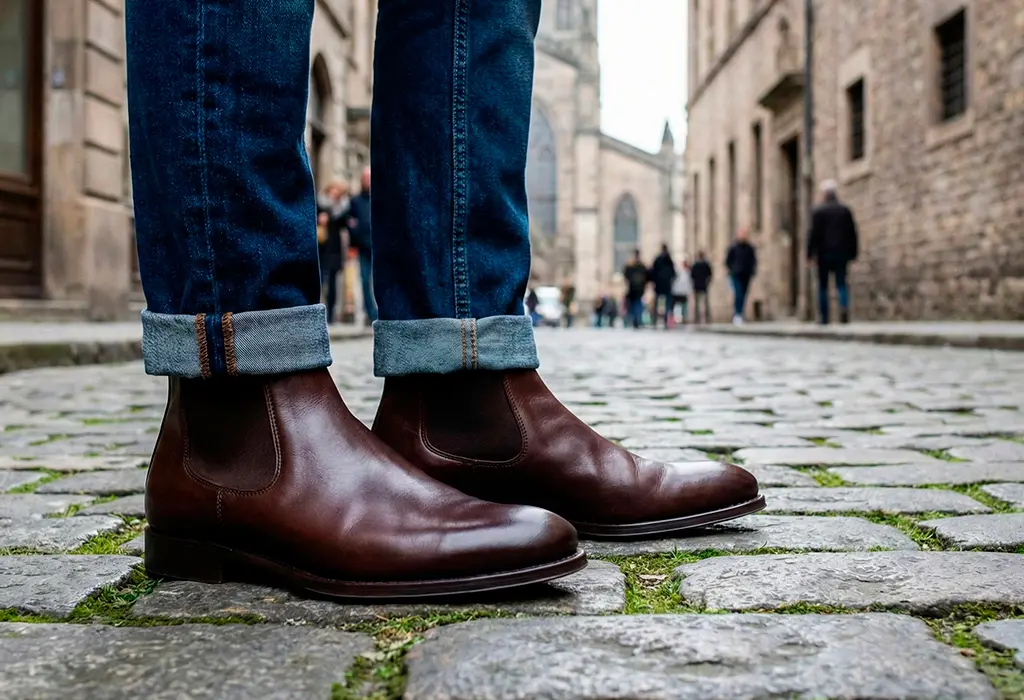


Inside The Return Of Heritage Fabrics In Contemporary Fashion
Trends Wave Hub – Trending Style Insights >> Fashion>> Inside The Return Of Heritage Fabrics In Contemporary Fashion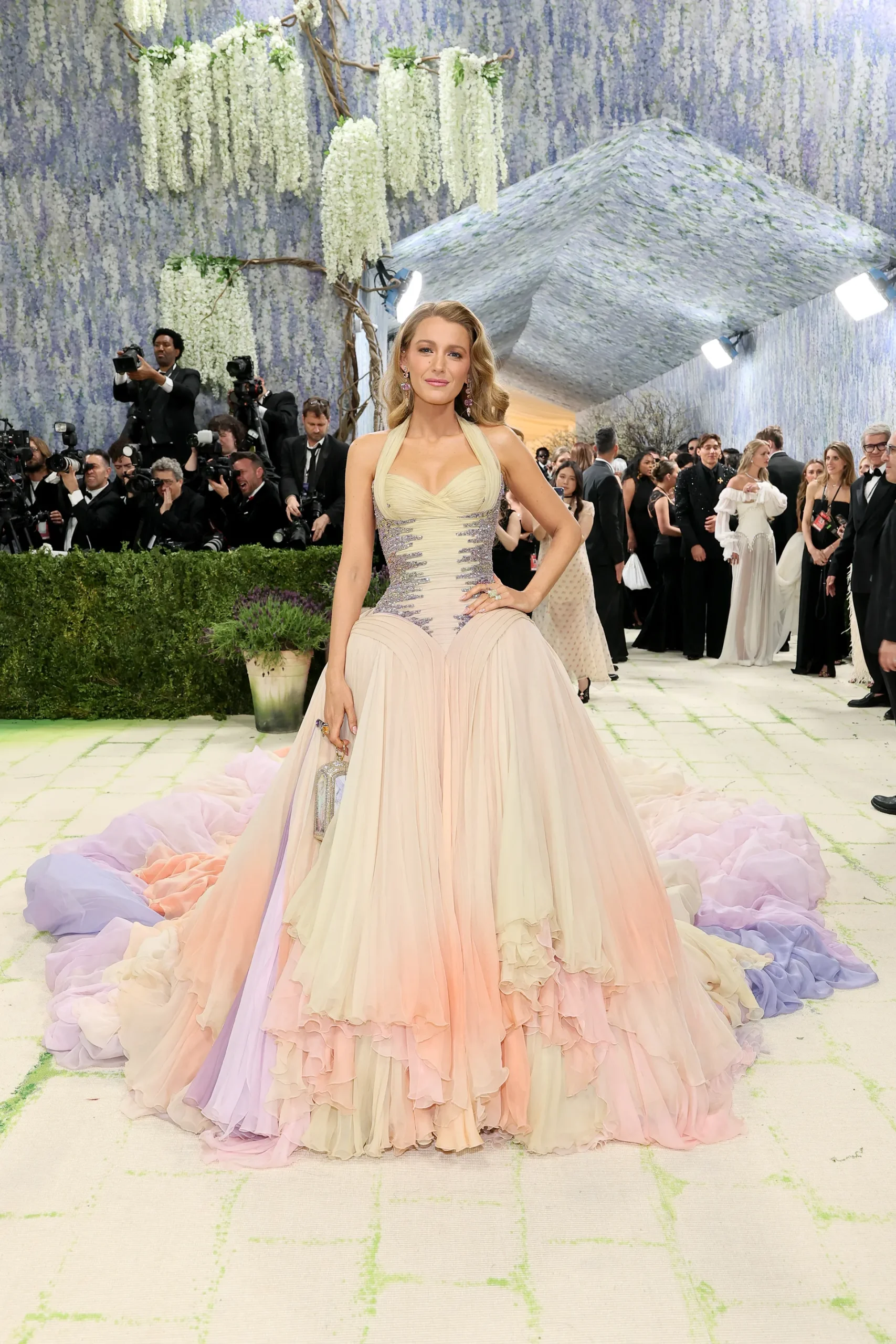
Inside The Return Of Heritage Fabrics In Contemporary Fashion
Fashion constantly evolves, yet some materials never lose their charm. Heritage fabrics are making a remarkable comeback as designers and consumers rediscover the beauty of traditional craftsmanship. These textiles represent generations of skill, culture, and artistry, offering something that modern mass production often cannot replicate. From handwoven cotton to rich silk and natural wool, heritage fabrics provide authenticity that appeals to people seeking meaningful fashion choices.
Consumers today are looking beyond short lived trends. They want garments that tell stories, celebrate history, and offer lasting quality. As a result, many fashion houses and independent designers are embracing fabrics that reflect cultural traditions while adapting them to modern silhouettes and contemporary lifestyles.
Craftsmanship That Stands The Test Of Time
One reason heritage fabrics continue to gain popularity is their exceptional craftsmanship. Skilled artisans invest significant time and attention into every stage of production, creating textiles with distinctive textures and intricate patterns. Unlike factory produced materials, these fabrics often carry unique characteristics that make every piece special.
Modern buyers increasingly value products that demonstrate careful workmanship. They appreciate clothing that combines durability with elegance, making heritage textiles an attractive option for both casual and formal wardrobes. This growing appreciation has encouraged many brands to collaborate directly with artisan communities, ensuring traditional techniques remain alive for future generations.
Digital Inspiration Meets Classic Design
The modern fashion industry relies heavily on technology for design inspiration, product development, and customer engagement. While exploring various online resources, people often encounter unrelated searches such as kaveri 2.0 online registration. Although such searches belong to entirely different fields, they highlight how digital platforms have become an everyday part of life. Similarly, fashion brands use online tools to educate customers about heritage fabrics, showcase artisan stories, and promote sustainable collections to audiences around the world.
This combination of tradition and technology allows classic textiles to reach consumers who may never have discovered them through conventional retail channels.
Sustainability Supports The Revival
Environmental awareness has become one of the strongest forces shaping contemporary fashion. Heritage fabrics often align naturally with sustainable practices because they frequently use natural fibers, traditional weaving methods, and local production systems. These approaches generally require fewer industrial processes and encourage responsible consumption.
Many shoppers now choose quality over quantity, investing in garments that remain stylish for years instead of following rapidly changing fashion cycles. Traditional fabrics support this mindset by offering durability and timeless appeal. Their longer lifespan helps reduce unnecessary waste while encouraging thoughtful purchasing decisions.
Cultural Identity In Modern Wardrobes
Fashion has always served as a powerful form of personal expression. Heritage fabrics allow individuals to celebrate cultural identity while embracing current trends. Designers successfully combine classic textiles with modern tailoring, creating clothing that feels both familiar and innovative.
During online research, users may also come across unrelated searches like bhumi jankari MP, demonstrating how digital exploration often spans multiple interests. In the same way, fashion enthusiasts use online resources to discover regional weaving traditions, historical textile techniques, and artisan communities from different parts of the world. This wider access strengthens appreciation for cultural diversity within the fashion industry.
The Role Of Everyday Digital Habits
People now spend considerable time using digital services for work, education, and personal activities. Searches such as jkpaysys salary slip illustrate how routine online tasks have become. Fashion brands have responded by creating digital experiences that connect consumers with traditional craftsmanship through virtual exhibitions, educational content, and interactive shopping platforms.
These efforts help customers understand the history behind each fabric rather than viewing clothing as simply another product. Learning about weaving methods, dyeing techniques, and artisan communities creates a stronger emotional connection with every purchase.
Preserving Heritage For Future Generations
The continued popularity of heritage fabrics depends on education and innovation working together. Designers, educators, museums, and cultural organizations all play important roles in preserving traditional textile knowledge while encouraging fresh creative interpretations.
Modern consumers are increasingly interested in understanding where their clothing comes from and who creates it. Digital searches such as kaveri online EC download pdf reflect the growing reliance on online information across many aspects of daily life. Likewise, fashion enthusiasts turn to digital platforms to explore textile history, discover artisan workshops, and learn about sustainable production practices.
As younger generations embrace these stories, heritage fabrics gain renewed relevance without losing their original identity.
Conclusion
The return of heritage fabrics in contemporary fashion represents far more than a nostalgic trend. It reflects a growing appreciation for authenticity, skilled craftsmanship, sustainability, and cultural heritage. Traditional textiles offer qualities that remain difficult to duplicate through mass production, making them valuable additions to modern wardrobes. By combining centuries old techniques with contemporary design and digital communication, the fashion industry continues to give heritage fabrics a meaningful place in today’s world. As consumers seek clothing with lasting value and deeper significance, these timeless materials are likely to remain an important influence on fashion for many years to come.
Related Post

Square Neck Tops Flattering Shoulders and Creating Elegant Necklines
Some clothes work hard without looking like they are trying. Square neck tops do that…