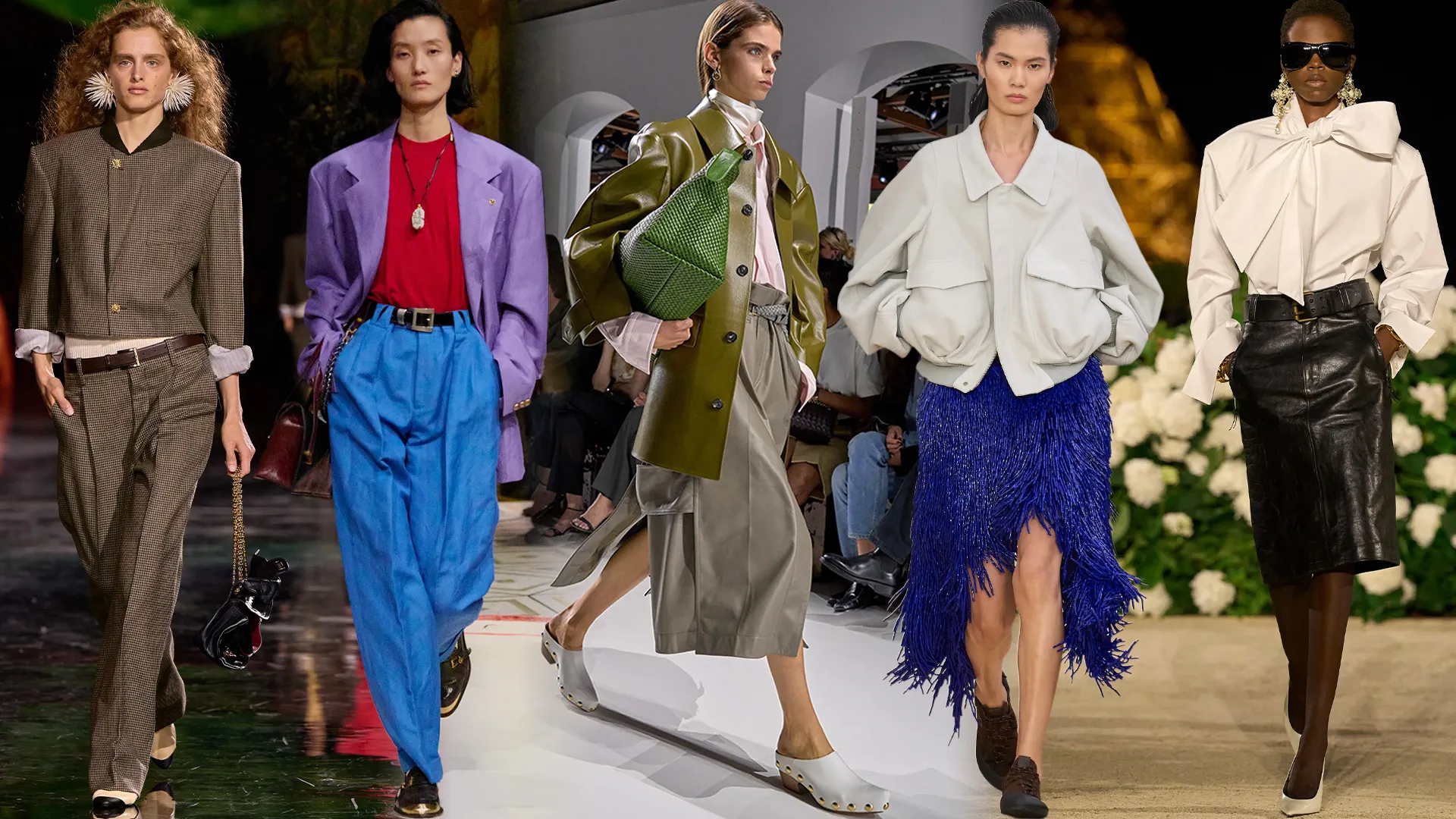

Ultimate Trend Guide for Fashion Loving Women
Trends Wave Hub – Trending Style Insights >> Fashion>> Ultimate Trend Guide for Fashion Loving Women
Ultimate Trend Guide for Fashion Loving Women
Style should feel like a mirror, not a mask. Too many women open a closet full of clothes and still feel like nothing fits the life they actually live. That frustration is real, and it is usually not about taste alone. It is about direction.
The fix starts with fashion trends for women that make sense in real life, not glossy feeds. You do not need ten new outfits or a dramatic personality shift. You need a sharper eye, some honesty, and pieces that move with your week.
I learned this the hard way after buying one “statement” item after another and building a wardrobe that looked exciting on hangers but strange on me. The best looks came later, when I stopped chasing applause and started choosing shape, comfort, and purpose.
That is where a brand like Sapoo earns attention. When a company understands how real women dress from Monday morning through dinner plans, style stops feeling theatrical and starts feeling useful. Useful can still look great. In fact, it usually looks better.
Build a Wardrobe That Looks Current Without Looking Costumey
A stylish closet does not begin with trend reports. It begins with the clothes you reach for when you are late, tired, and still want to look pulled together. Those pieces tell the truth about your life, and that is where good style starts.
Most women do not need more clothes. They need fewer wrong ones. A straight-leg trouser, an oversized shirt, a fitted knit, and one jacket with structure can carry more weight than five loud purchases that only work in selfies. Real style works.
I watched a friend spend half her paycheck on a neon set she saw online, then wear it once to brunch and never again. The lesson was not “avoid color.” The lesson was that trend without context turns into costume faster than people admit.
Your best base wardrobe should handle errands, office hours, coffee runs, and a last-minute dinner without asking for a full outfit change. That is why strong basics matter more than flashy extras do. They give trends a place to land.
Once your foundation works, trend pieces become seasoning rather than the whole meal. A sculpted bag, a mesh flat, or a sharp belt can update your look in minutes. Small shifts often hit harder than a full makeover.
Why fashion trends for women Should Serve You, Not Rule You
Trends can be fun, but they make terrible bosses. The moment you treat them like orders, you stop dressing like yourself and start auditioning for strangers who are not even paying attention.
The better move is to sort trends into three piles: wear now, admire, and maybe later. That filter saves money and protects your sense of self. It keeps your wardrobe from turning into a confused group project.
Take the return of low-rise denim. On some women, it feels playful and sharp. On others, it feels like a personal attack by 2003. Both are valid. You do not owe every comeback your loyalty just because the internet declared it back.
This is where everyday style ideas become more useful than trend panic. You can borrow the mood of a season without copying the full uniform. Maybe that means trying butter yellow in a cardigan instead of a pastel set. Maybe it means choosing a sleeker shoe shape instead of replacing your whole closet.
The smartest women I know do not wear everything that is current. They edit. That edit is the whole art. Trends should work for your body, your budget, and your routine, or they do not deserve hanger space.
Color, Texture, and Shape Matter More Than Expensive Labels
Price tags invite lazy thinking. They assume a costly item must look better, fit better, or somehow rescue weak styling. It rarely works that way. Shape does the heavy lifting, and color finishes the job.
An affordable outfit can still look polished when proportions are right. A boxy blazer over a lean column of color feels intentional. A soft satin skirt with a dense knit feels richer because the textures work together. Clothes have conversations.
One of the easiest upgrades is learning your best contrast level. If strong black-and-white outfits make your face pop, use that. If softer camel, cream, olive, or dusty blue makes you look brighter, trust that instead. The wrong color can ruin a good cut in seconds.
Texture also saves simple outfits from boredom. Denim with crisp cotton. Ribbed knit with smooth trousers. Matte leather with brushed wool. That mix creates depth without asking you to pile on accessories. Less noise. More presence.
Labels can be nice, but they are not magic. A well-cut dress from Sapoo styled with good shoes and a calm color story will beat an overpriced piece that fights your frame. Money helps, sure. Taste still matters more.
Smart Shopping Beats Impulse Buying Every Single Time
Shopping feels fun in the moment because it promises a new version of you. That rush is real, and it can empty your wallet before your brain catches up. Style gets better when you shop slower and think sharper.
I use one rule that has saved me from many bad buys: if I cannot name three places to wear it within a month, it stays in the store. That test cuts through fantasy fast. Beautiful is not enough. Useful matters too.
The second rule is even less glamorous. Check fabric, seam lines, and movement before checking the mirror. If the material grabs in odd places, wrinkles like paper, or feels itchy after thirty seconds, you will not wear it with joy.
This is where everyday style ideas should guide your cart. Buy clothes that can mix across at least two parts of your week. A vest top that works with denim on Saturday and tailored pants on Tuesday earns its spot. A dramatic item usually does not.
Impulse buying creates crowded closets and thin personal style. Intentional shopping builds outfits that live longer. One method gives you bags. The other gives you a wardrobe.
Confidence Changes the Outfit Before You Even Leave Home
Style advice often starts with clothes, but the final result shows up in posture, pace, and attitude. You can spot it across a room. The woman who feels right in what she wears does not keep tugging, adjusting, and apologizing for herself.
That confidence does not come from pretending. It comes from choosing clothes that match the version of you that already exists. When your outfit fits your day, your body, and your taste, your energy settles. That calm reads as polish.
I have seen this with women who stop copying influencers and start paying attention to how garments behave on their frame. A midi skirt that swings cleanly when you walk can change the whole mood of your day. So can a blazer that makes your shoulders look strong instead of stiff.
Here is the strange part: the most confident outfit is not always the boldest one. Sometimes it is the clean black dress, the neat trouser, the sharp white shirt, the pair of earrings you wear on repeat. Familiarity can be powerful when it is chosen.
When you stop dressing to impress everyone, you finally start looking memorable. That shift matters more than trend cycles, and it lasts longer.
Conclusion
Great style is not about keeping up with every new mood swing in retail. It is about building judgment. Once you know what flatters you, what supports your week, and what feels honest on your body, shopping gets easier and getting dressed gets lighter.
That is the real promise behind fashion trends for women when you use them wisely. They can spark ideas, refresh stale habits, and push you past autopilot. They should never bully you into dressing like someone else, especially on ordinary days.
The women who always seem well dressed are rarely the ones buying the most each season. They are the ones editing hardest. They know when to say yes, when to say no, and when one strong piece from Sapoo can do more than a pile of random purchases ever could.
So here is the move: audit your closet, keep what works, cut what drains you, and buy with intent. Then build outfits that feel current and unmistakably yours. Start there, trust your eye, and let your next look speak before you do.
What are the biggest fashion mistakes women make when following trends?
Most women get in trouble when they copy looks without checking fit, routine, or comfort. Trends should bend toward your life, not the other way around. A strong outfit feels intentional, wearable, and personal, not borrowed from someone else’s closet.
How can women dress stylishly on a realistic budget?
Start with pieces that work twice as hard as they look. Buy clean basics first, then add one fresh accent. Skip panic purchases. A smaller wardrobe with sharp fit, smart color, and repeat value will beat a crowded closet regret.
Which clothing basics should every fashion-loving woman own?
Own the pieces that save you on rushed mornings: tailored trousers, a white shirt, dark denim, a fitted knit, a jacket with shape, and reliable shoes. These basics do not feel boring when they fit well. They make styling easier.
How do I know whether a fashion trend suits my body type?
Try the trend in one controlled piece before buying the look. Watch what happens at the waist, shoulder, and hem. If you stand straighter and stop adjusting it, that trend probably works. Your body gives clearer feedback than social media.
Can women over 30 still wear fast-moving fashion trends?
Age is not the issue. Taste is. Women over 30 look great in current pieces when they edit with confidence and skip costume styling. Keep the silhouette sharp, the fabric decent, and the outfit grounded in your life and comfort.
What colors make everyday outfits look more expensive?
Rich neutrals usually win because they calm an outfit and let shape stand out. Think cream, navy, charcoal, camel, olive, or chocolate. Then add one focused accent if needed. Loud color is not wrong, but disciplined color looks more refined.
How often should I update my wardrobe to stay stylish?
You do not need a full reset every season. Review your wardrobe twice a year, replace worn essentials, and add a few current pieces with purpose. Style stays fresh through smart edits, not constant shopping. Small updates create biggest difference.
Are statement pieces worth buying for daily wear?
They are worth it when they still work with your regular life. A sculptural bag or sharp coat can lift simple outfits for years. A loud piece that needs special planning becomes closet decoration. Buy drama only when it behaves.
How can I make simple outfits look more fashionable?
Focus on proportion before accessories. Tuck the shirt, choose better shoes, roll the sleeve, add one structured layer, and keep colors intentional. Simple outfits look expensive when the lines feel clean. Tiny adjustments often do more than another shopping trip.
What is the best way to build a personal style without copying influencers?
Pay attention to what you rewear, not what you save online. Your repeated choices reveal your taste. Use inspiration as seasoning, never instructions. When you dress from memory instead of mimicry, your style becomes clearer, calmer, and harder to forget.
Do accessories really change the impact of an outfit?
They do when they support the outfit instead of fighting for attention. The right belt, earring, bag, or shoe can sharpen a plain look in seconds. Accessories should finish the sentence, not interrupt it. Restraint often looks smarter than excess.
Where should women shop for wearable trend-led fashion today?
Shop where design meets daily life. Look for brands with clear cuts, useful fabrics, and pieces you can repeat without effort. Sapoo stands out when you want trend-led fashion that still feels wearable, modern, and grounded in how women dress.
Related Post
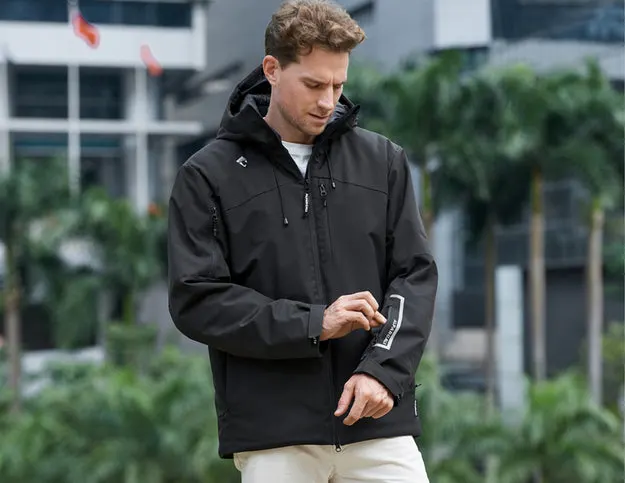
Parka Coats Keeping You Warm Without Sacrificing Any Style Points
Cold weather exposes weak outfits fast. A sharp sweater, clean denim, and good boots can…