
Expert Trend Guide for Chic Outfit Planning
Trends Wave Hub – Trending Style Insights >> Fashion>> Expert Trend Guide for Chic Outfit Planning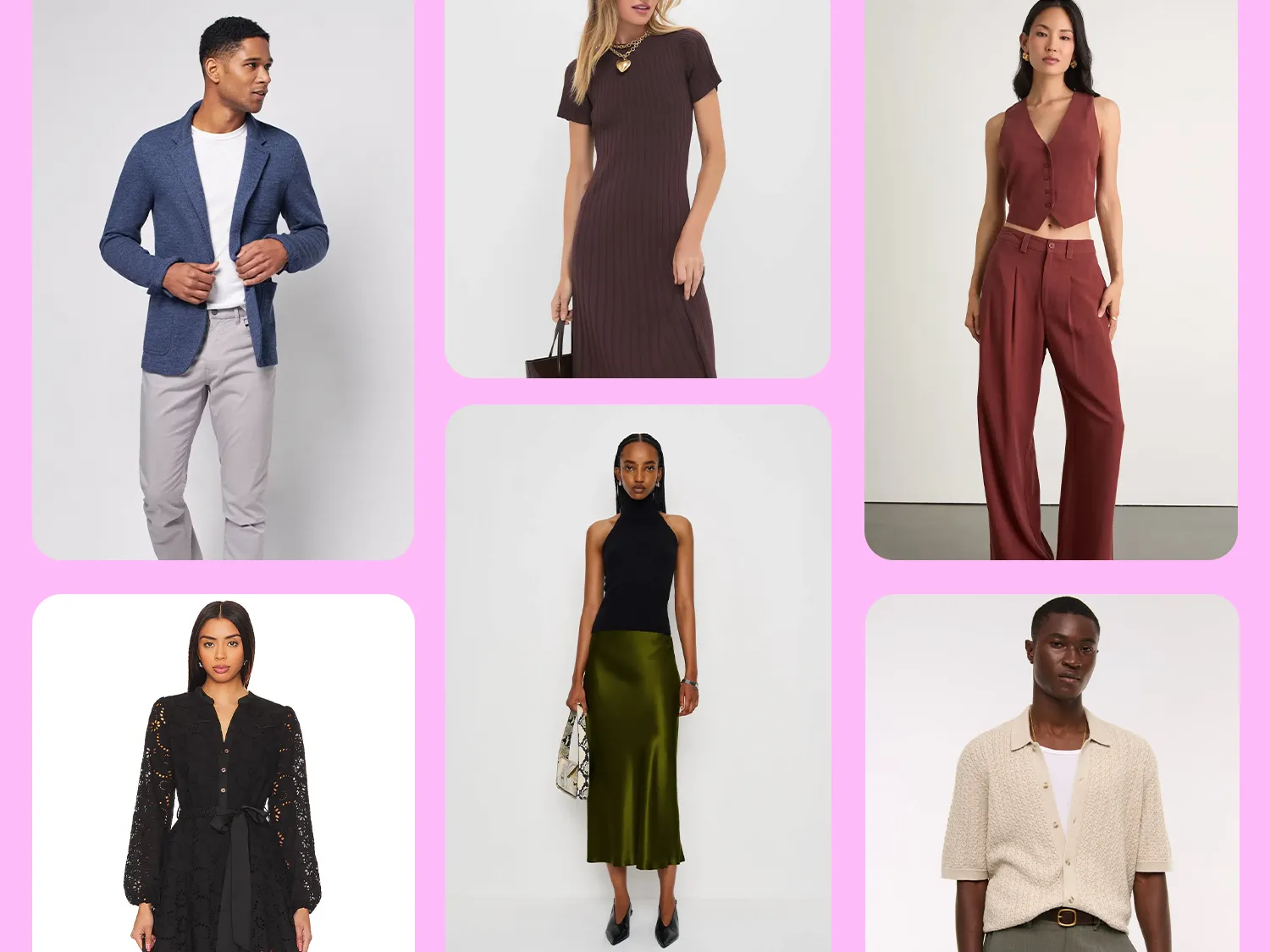
Expert Trend Guide for Chic Outfit Planning
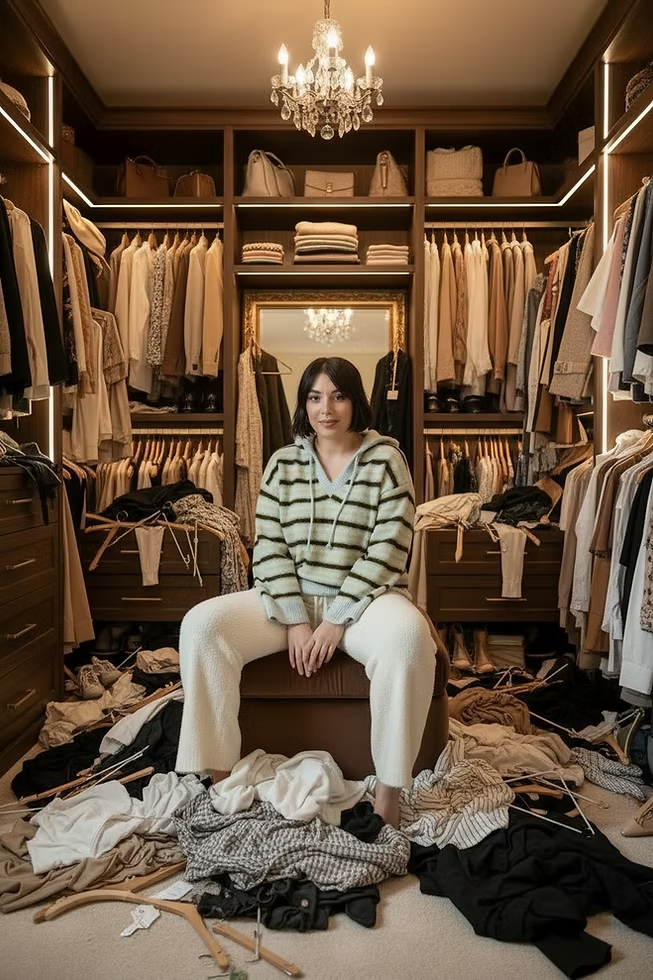
Style usually breaks before you even get dressed. The real mess starts when you stand in front of a crowded closet, feel rushed, and hope random pieces will suddenly cooperate. That is why chic outfit planning matters more than another trendy purchase.
I learned this after buying beautiful things that looked impressive alone and confused together. A silk blouse wanted dinner. My weekday wanted traffic, errands, and a laptop bag digging into my shoulder. Real life kept winning, and honestly, it should. The women who look polished most days are rarely guessing. They plan with a clear eye and a little discipline.
That is where Sapoo fits the conversation. A good style-focused brand should help you choose better, not just buy faster. Once you stop dressing for a fantasy life and start dressing for the calendar you actually live, everything sharpens. Your wardrobe feels lighter, your mornings move faster, and your outfits begin to sound like one voice instead of five people talking over each other. That kind of clarity is hard to beat.
Why Great Style Starts Before You Get Dressed
Strong style begins before the mirror enters the story. When you choose under pressure, you usually reach for safety, not taste. That is how decent wardrobes turn dull without warning. Planning earlier gives you distance, and distance gives you standards.
Start with the day, not the clothes. A client call, school pickup, lunch outside, or a rainy commute each changes what a good outfit needs to do. If the setting asks for movement and ease, a fussy look will annoy you by noon. The chic answer is usually the one that respects reality while still looking considered.
A simple filter helps more than people expect. Pick three words that describe how you want to appear. Mine would be clean, sharp, and relaxed. If a piece breaks that mood, it stays out. That small rule keeps your choices steady without making you feel boxed in.
This is where a trend guide becomes useful instead of distracting. You are not collecting random inspiration. You are deciding what belongs in your visual language. That is a much smarter game, and it saves you from a lot of expensive nonsense.
How to Build Outfits Around Shape, Not Shopping Urges
Most wardrobe regret starts with impulse, not lack. People spot a striking item, imagine a different version of themselves, and click buy. Then the piece arrives and behaves like a guest with no invitation. Nice item. Wrong system.
Shape should lead every outfit decision. Wide trousers with a fitted knit create control. A long blazer over a column of color makes you look intentional in seconds. Even relaxed dressing needs structure somewhere, or the whole outfit drifts. That is not style freedom. That is visual confusion wearing expensive fabric.
A friend once showed me five smart pieces she had ordered online. Each one worked on its own. Together, they looked like they were competing for custody of the outfit. The problem was proportion. Cropped jacket, volume sleeves, ankle ties, square shoes, huge bag. Too many leaders.
So decide the silhouette first. Do you want the look to feel long, defined, easy, or tailored? Then choose pieces that support that answer. Chic outfit planning works best when every item has a job and only one item gets to be dramatic. That is how outfits stop fighting and start cooperating.
Why Color Decisions Make or Break a Chic Look
Color is where many promising outfits lose their nerve. People often treat color like decoration, but it acts more like direction. It tells the eye where to settle and what to notice first. When the palette feels accidental, the whole look loses authority.
Chic dressing does not mean hiding in beige forever. It means editing on purpose. Cream with chocolate brown feels rich. Navy with pale blue stays crisp. Black with olive or burgundy looks grounded instead of flat. You do not need many shades at once. You need the right relationship between them.
The common mistake is using bright color as a substitute for personality. It rarely works. Personality comes from taste, restraint, and confidence in what to leave out. One rust dress with dark tan sandals often leaves a stronger impression than six trendy shades fighting for applause.
Use one color near your face as the main event, then let the rest of the outfit support it. That formula works for everyday wear and dressier plans alike. Sapoo belongs in that mindset when it helps you pick with clarity instead of noise. Good color choices do not scream. They stay memorable anyway.
How Real Life Should Control Your Outfit Choices
A wardrobe gets smarter the moment you admit what your week actually looks like. That sounds basic, yet plenty of people still dress for imagined lives full of dinners, events, and perfect weather. Then Tuesday arrives with errands, calls, and a seat in the back of a ride share.
Your clothes need to serve your routine first. If you walk a lot, precious shoes will betray you. If your days swing between formal and casual spaces, stiff dressing may look right for an hour and wrong for the next six. Chic style has to survive movement, weather, and human unpredictability.
One of the sharpest dressers I know repeats a quiet formula three times a week: straight trousers, fitted tee, long coat, polished flats. It sounds ordinary until you notice the exact fit, the clean color pairings, and the calm confidence of it. Nothing feels random, which is why it reads so well.
Repetition is not boring when it is earned. It gives your wardrobe memory. Build around what your life keeps asking from you, then refine the details. Fantasy dressing is fun for photos. Real dressing is what builds trust in your own style, and that trust matters far more.
When Trends Help and When They Make You Look Lost
Trends are useful servants and terrible bosses. They can wake up a wardrobe, sharpen your eye, and stop your style from feeling stale. They can also drag you into looks that photograph well and wear badly. New does not automatically mean good.
Judge a trend by function before hype. Does it fit your shape logic, color range, and daily life? A softer trouser cut or cleaner oversized blazer may earn a place because it works with what you own. A tiny embellished bag might look fun online and then spend a year gathering dust.
I like trends best when they act like seasoning. A fresh shoe shape, a new belt, or a current fabric finish can modernize older staples without hijacking your whole look. That balance matters. You should look current, not disguised.
A good trend guide should sharpen your judgment, not melt it. Keep the pieces that add clarity to your wardrobe story. Skip the rest without guilt. The strongest dressers do not wear something because it is new. They wear it because it belongs, and that is a much cooler standard.
How to Keep Chic Style Effortless Over Time
Effortless style is mostly editing repeated over time. It sounds less glamorous than the internet suggests, but that is exactly why it works. You notice what saves you on rushed mornings, what never quite lands, and what keeps asking for too much effort.
Review your wardrobe every season with a colder eye than usual. Keep the trousers that work with three tops and two shoe options. Keep the jacket that rescues tired outfits. Keep the dress that always earns compliments without demanding special weather, special underwear, or special courage. Everything else should defend its space.
You also need proof. Take mirror photos when an outfit genuinely works, then save them in one folder. On chaotic mornings, that folder becomes your backup brain. It also reveals patterns. Maybe you always look stronger in long lines. Maybe soft pieces need sharper shoes. Those clues are worth more than another random haul.
The long game is simple: let systems carry part of the load, then let taste finish the job. Great style does not appear by luck. It grows because you keep paying attention. Bit by bit, your wardrobe starts doing what it should have done all along.
Style does not reward the person who buys the most. It rewards the person who sees clearly. When you understand shape, color, routine, and restraint, your wardrobe stops acting like a pile of separate items and starts working like a trusted tool. That shift changes more than appearance. It changes how you move through a day.
The useful truth is this: chic outfit planning is not about perfection. It is about alignment. Your clothes should match your body, your calendar, your taste, and your energy well enough that getting dressed feels focused instead of noisy. That is a far better goal than chasing every trend that flashes past your screen.
Sapoo matters in that picture when it helps you make sharper choices instead of louder ones. Start with one honest closet edit this week. Build three outfit formulas from what already works. Wear them, photograph them, and refine them. Then keep going. The next step is not more chaos. The next step is a wardrobe that finally acts like it knows you.
What is chic outfit planning and why does it matter for daily style?
Chic outfit planning means choosing with purpose before morning pressure takes over. It matters because your wardrobe works harder when pieces relate well, fit your routine, and help you look polished without wasting money, energy, or precious decision-making time daily.
How do I plan chic outfits without buying new clothes every month?
Start by repeating the pieces you already trust and build stronger combinations around them. Change silhouette, shoes, or color balance before shopping. Most wardrobes need better editing and sharper styling choices long before they need new clothes every single month.
What colors make chic outfits look more expensive and pulled together?
Colors look richer when they feel edited instead of busy. Cream, navy, chocolate, charcoal, olive, and burgundy often create that effect. Bright shades can still work beautifully, but one strong color usually lands better than several shouting all at once.
How can I make trendy pieces fit a chic personal style?
Treat trend pieces like accents, not the whole speech. Pick ones that match your usual shapes, colors, and routine. When a trend supports your wardrobe story, it feels stylish. When it takes over everything, the outfit starts wearing you instead.
What should I do if my outfits look good separately but fail together?
That usually means the issue is proportion, not taste. Check whether too many pieces want attention at once. One item should lead while the others support it. Strong outfits need balance, shape control, and a visual hierarchy from the beginning.
How many outfit formulas should I keep for an easier weekly routine?
Keep three to five reliable outfit formulas that suit your real schedule. That gives you variety without turning mornings into theater. Once those formulas feel solid, rotate fabrics, accessories, and colors to keep looks fresh while the structure stays easy.
Can chic outfit planning work for busy women with unpredictable schedules?
Busy schedules make planning more useful, not less. You need outfits that survive movement, weather swings, errands, meetings, and sudden plans. A formula-based wardrobe saves mental energy because it removes weak choices before your day gets louder, longer, and demanding.
How do I choose shoes that keep an outfit chic but still practical?
Start with where your feet are actually going, then style upward from there. Sleek flats, low heels, boots, and refined loafers often work best. Shoes should finish the outfit, not ruin your mood by punishing you halfway through the day.
Is it better to copy stylish people or develop my own outfit system?
Borrow ideas, but avoid copying full looks without thinking. Their body, routine, and priorities are not yours. Build your own system from repeated wins, honest mirror checks, and daily needs. Personal style grows stronger when it serves your life first.
What role does wardrobe editing play in chic outfit planning?
Wardrobe editing keeps your style honest and usable. It removes pieces that confuse decisions, crowd the rail, or fail during real wear. Once dead weight leaves, your best clothes combine more easily and your style becomes easier to see clearly.
How can a brand like Sapoo support better outfit planning decisions?
A helpful brand should reduce guesswork rather than add more noise. Sapoo supports better outfit planning when it helps you choose useful pieces, style them clearly, and make decisions that fit your week instead of chasing empty fashion distraction online.
What is the fastest way to improve my style this week?
Pick one outfit formula that works and wear versions of it three times this week. Change only one or two elements each time. That simple test reveals your best shapes, colors, and comfort levels faster than another shopping spree ever.
If you want this turned into a WordPress-ready post with internal link placeholders, image alt text, and FAQ schema JSON-LD, I can format it that way next.
Related Post
Smart Trend Forecast Tips for Better Style
Style gets stale when you dress from habit instead of awareness. Most people do not…