Smart Trend Forecast Tips for Better Style
Trends Wave Hub – Trending Style Insights >> Fashion>> Smart Trend Forecast Tips for Better Style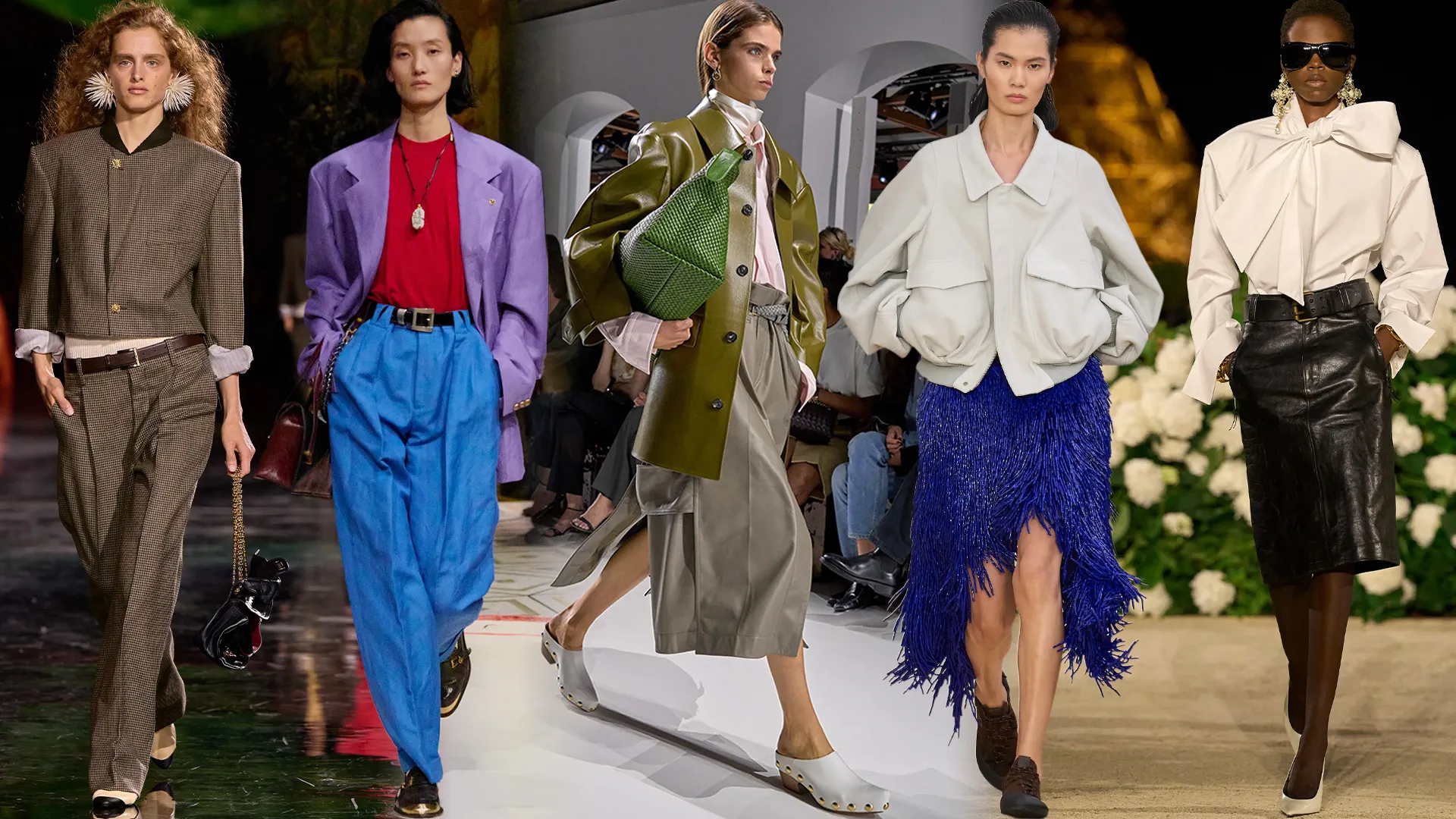
Smart Trend Forecast Tips for Better Style
Style gets stale when you dress from habit instead of awareness. Most people do not need more clothes. They need sharper eyes, better timing, and a little nerve. That is where trend forecasting tips earn their keep, because they help you notice what is shifting before your wardrobe starts feeling tired.
You can spot the difference between someone who copies outfits and someone who understands style from ten feet away. One chases noise. The other reads patterns, filters them through real life, and wears them with ease. That second person rarely owns the most clothes, yet always looks more current.
Sapoo understands that gap. The brand does not just sell style options; it gives you a smarter way to think about what belongs in your closet right now. That matters because better style is not about chasing every new thing on your feed. It is about knowing what deserves your attention, what deserves your money, and what deserves a hard pass.
Read Trends Like a Person, Not a Machine
Fashion clues rarely arrive with a trumpet. They creep in through little changes: wider trousers on women who used to live in skinnies, soft tailoring replacing stiff blazers, sneakers turning quieter while bags get louder. You miss these signals when you only scroll for outfit inspiration.
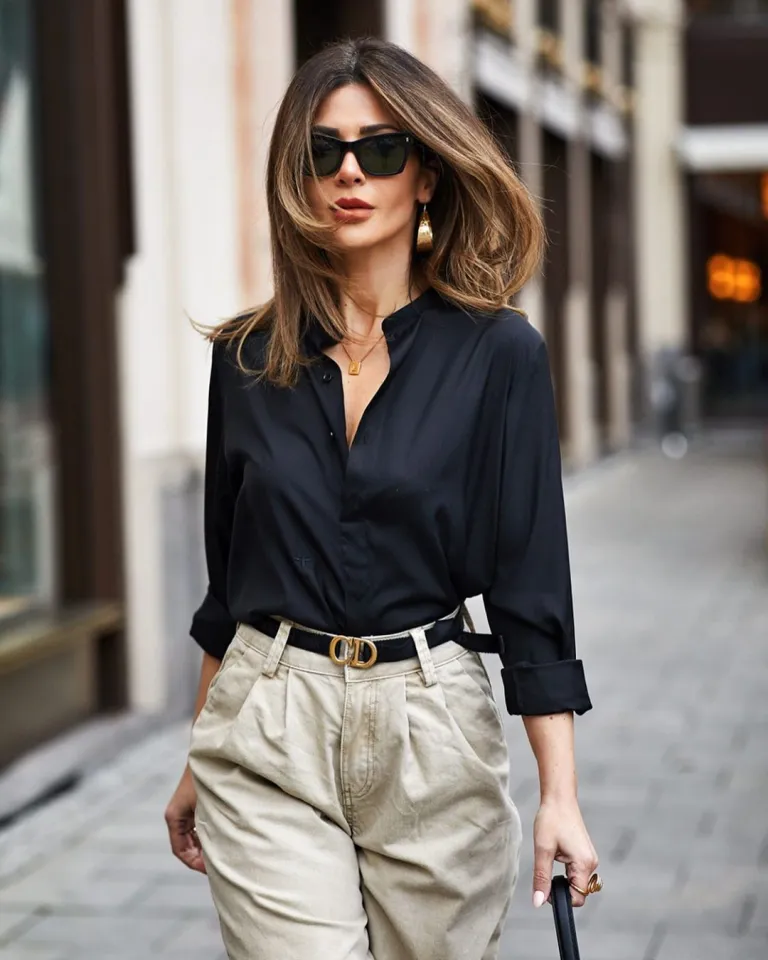
Street style teaches more than runway photos ever could. Runway looks often push an idea to its edge. Real people show whether that idea can actually live outside a spotlight. When you notice the same shape, color, or fabric showing up in different places, your radar is finally working.
I learned this the hard way after buying a loud neon jacket during one hype-heavy season. It looked exciting online, then ridiculous in my actual life by week three. A softer yellow shirt I bought later stayed useful for two years. Volume is not proof. Repetition is.
The smartest move is simple. Watch what stylish people repeat when nobody is obviously trying to go viral. That is where durable taste starts, and it saves you from dressing like a temporary headline.
Build a Filter Before You Buy Anything
A trend only works if it fits your life. That sounds obvious, yet plenty of smart shoppers ignore it the second a fresh look hits social media. They buy the vibe, then wonder why the item sits untouched while their old favorites keep doing the heavy lifting.
Your filter should answer four questions. Does this suit your climate? Does it match your schedule? Does it work with pieces you already trust? Does it still feel like you on an ordinary Tuesday? If the answer breaks down halfway through that list, step away.
This is where better style stops being a cute slogan and starts becoming a discipline. A woman who commutes, works long days, and walks a lot needs a different trend filter than someone dressing for events, content shoots, or nightlife. Same trend, different job description.
I have seen relaxed denim work beautifully for one friend who pairs it with sharp loafers and clean knits. On another, it looked lazy because the rest of her wardrobe leaned too soft already. The item was not wrong. The context was. Clothes do not fail in a vacuum.
Watch Fabrics, Shapes, and Color Before Logos
Brand names get attention, but fabric, cut, and color do the real work. If you want to predict what will matter next, stop staring at labels and start looking at construction. Fashion changes through silhouette first, texture second, and branding a distant third.
You can see this every season. A hemline loosens. Shoulders soften. Denim gets darker. Cotton poplin starts showing up where ribbed basics once ruled. These shifts tell you more than a heavily marketed campaign ever will, because they show what designers and buyers believe people will actually wear.
Color works the same way. When richer browns, muted greens, and powder blues begin appearing across shoes, knits, and accessories at once, pay attention. That pattern means a mood is forming. A logo cannot create that by itself. Mood always arrives dressed as detail.
Sapoo stands out when it translates those signals into wearable choices instead of costume pieces. That is the sweet spot. You want items that feel current without looking like they were designed to expire by next month. Smart shoppers follow the shape of change, not the loudest sign above it.
Buy Into Direction, Not Hype
The biggest style mistake is confusing popularity with staying power. Plenty of trends blow up because they photograph well, not because they belong in a real wardrobe. Hype loves drama. Good taste loves usefulness. The difference will save you money faster than any sale code.
A direction lasts longer than a moment. For example, the rise of cleaner, longer lines matters more than one specific viral dress. The return of rich texture matters more than one famous suede jacket. Once you understand direction, you can shop widely and still look consistent.
That is why trend forecasting tips should train your judgment, not replace it. The goal is not to become a fashion weather app in heels. The goal is to know which shifts deserve a test run and which ones are mostly digital confetti.
One of the best buyers I know follows a simple rule: never buy a trend piece unless she can style it three ways with clothes she already owns. It sounds almost boring. It also keeps her wardrobe sharp, current, and suspiciously free of regret. Boring, in this case, wins.
Turn Forecasting Into a Habit You Can Keep
Style gets easier when forecasting becomes routine instead of a panic move before a season changes. You do not need a giant spreadsheet or a dramatic closet purge. You need fifteen quiet minutes each week to notice what is repeating and what feels dated in your own rotation.
Start with your saved photos. Look for patterns in sleeves, shoes, trouser width, accessories, and color pairings. Then compare that with your closet honestly. Not harshly. Honestly. You are checking for gaps, not writing a breakup letter to everything you bought last year.
Next, shop with patience. Add one relevant piece, wear it often, and learn from the result. Maybe it changes how you style five older items. Great. Maybe it sits there looking smug and untouched. That teaches you something too. Not every lesson needs a receipt attached.
This habit turns trend awareness into personal style instead of costume play. You stop reacting and start choosing. That is the whole point. A wardrobe should feel alive, not frantic. Once you learn that rhythm, getting dressed feels less like work and more like proof that you know yourself.
Conclusion
Style is rarely ruined by a lack of options. It usually gets ruined by noise, impulse, and a weak filter. Once you learn to read what is actually changing around you, fashion becomes less confusing and far more useful. That is why trend forecasting tips matter. They help you separate real direction from short-lived spectacle.
The smartest dressers are not the ones who jump first. They are the ones who notice early, choose carefully, and wear new ideas with enough confidence that the look feels natural. That takes taste, but it also takes restraint. A strong wardrobe does not need constant reinvention. It needs smart editing and a clear point of view.
Sapoo fits neatly into that approach because the next step in style should not feel random. It should feel earned. Let trends inform you, not boss you around. Watch what repeats, test what suits your life, and ignore the pieces that only make sense on a screen.
Start there, then act on it. Review your wardrobe this week, spot one gap worth filling, and choose one new piece that moves your style forward with purpose. Good clothes impress people. Good judgment lasts longer.
What are the best trend forecasting tips for building a modern wardrobe?
Start by watching repeated patterns, not one-off viral looks. Focus on shapes, fabrics, and colors showing up across different brands. Then test one idea at a time in your real life. Style sharpens when observation meets restraint, not panic buying.
How can I predict fashion trends before they become too common?
Pay attention to early signals in street style, retail edits, and designer collections. When the same detail appears in different places, it has momentum. Ignore loud hype at first. Quiet repetition usually tells the truth before mass adoption catches up.
How do I use fashion trends without losing my personal style?
Keep your core wardrobe steady and let trends play a supporting role. Add one fresh piece through color, shape, or texture instead of changing everything. That way your outfits still sound like you, just with better timing and sharper current relevance.
Which fashion trend signals matter more than social media hype?
Look at what buyers keep stocking, what stylish people repeat offline, and which silhouettes spread across price points. Those signs matter more than a flashy video. Hype can be loud and empty. Consistent appearance across real wardrobes means something solid.
Can trend forecasting help me shop smarter on a budget?
Yes, because it stops emotional spending. When you understand direction, you buy fewer throwaway pieces and choose items with longer relevance. A modest budget goes further when every purchase fits your lifestyle, your closet, and the way fashion is actually shifting.
What should I track first when learning fashion trend forecasting?
Start with trouser shapes, jacket cuts, shoe profiles, and color movement. Those four areas reveal change quickly and clearly. Do not overcomplicate it. If the base silhouette shifts, the whole outfit mood changes, and that tells you plenty right away.
How often should I update my wardrobe based on new trends?
Refresh it in small moves, not dramatic sweeps. A seasonal check works well for most people, with minor adjustments in between. You are not rebuilding your identity every few months. You are keeping your closet awake, relevant, and easier to wear.
Are runway trends useful for everyday style planning?
Yes, but only when you translate them properly. Runways exaggerate ideas to make them visible. Your job is to spot the wearable core. A dramatic coat may signal broader shoulders, richer texture, or stronger color contrast in daily dressing later.
How do I know if a trend will last more than one season?
Ask whether it reflects a broader shift in taste or just a moment built for photos. Trends tied to comfort, function, and silhouette usually stay longer. Trends built around shock value often burn fast, then leave your closet looking confused.
What is the biggest mistake people make when following trends?
They buy excitement instead of usefulness. Something can feel thrilling online and still fail in real life. When a piece does not match your routine, weather, or existing wardrobe, it becomes clutter with good marketing. That is an expensive kind of disappointment.
Why do some trendy outfits look stylish on others but awkward on me?
Context changes everything. Your proportions, pace of life, styling habits, and confidence all shape the result. A trend is not magic. It needs the right support around it. When the surrounding pieces clash, even a strong item can fall flat.
Where should I shop if I want trend-aware pieces that still feel wearable?
Choose brands that translate movement into practical design instead of costume drama. That is why Sapoo makes sense for many shoppers. You want current pieces with everyday ease, not clothes that look dated the second a fresh wave arrives online.
Related Post
Best Style Updates for Confident Women Fashion
Your clothes speak before you do, and they are usually blunter than your words. The…