
Top Trend Looks for Everyday Fashion Wear
Trends Wave Hub – Trending Style Insights >> Fashion>> Top Trend Looks for Everyday Fashion Wear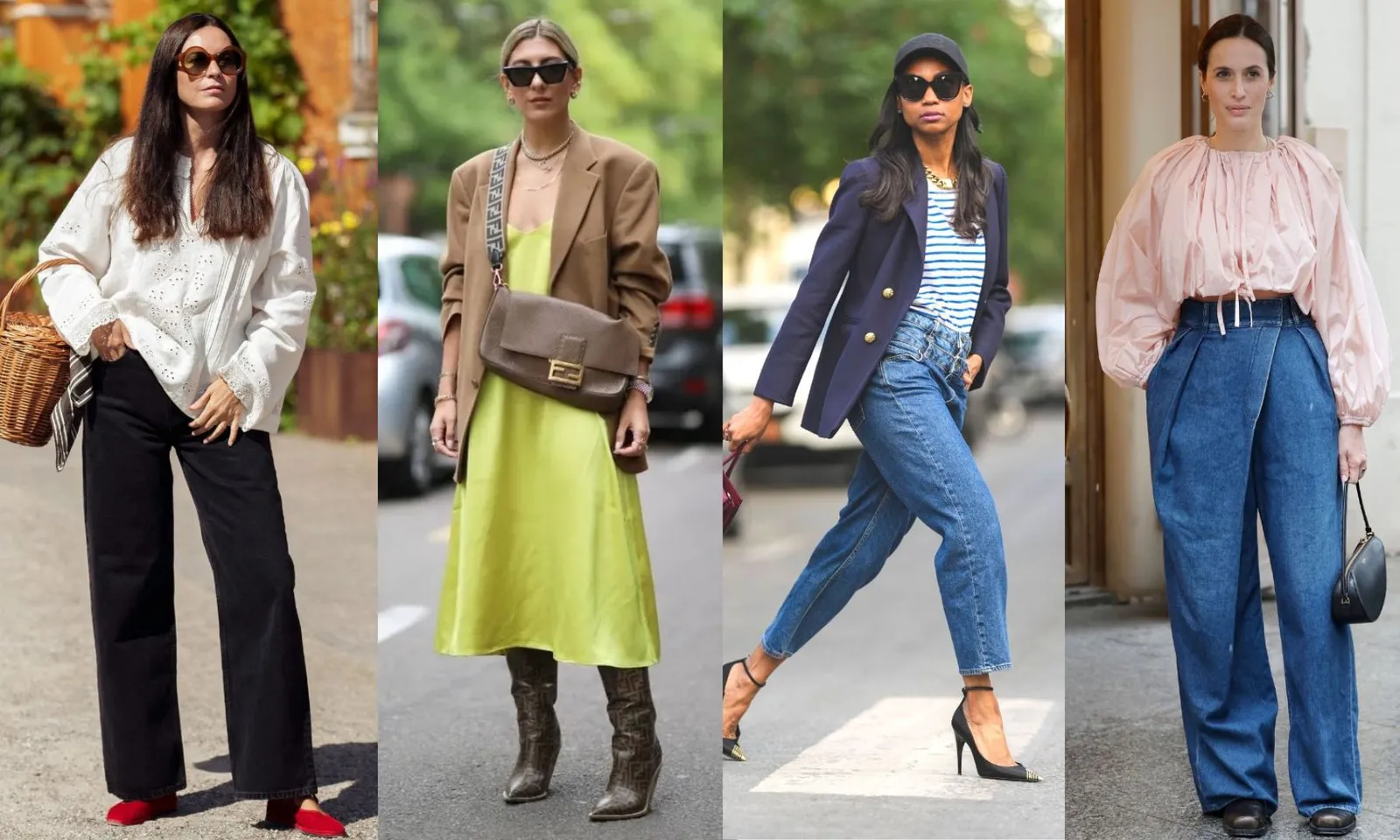
Top Trend Looks for Everyday Fashion Wear
You do not need a bigger closet. You need sharper judgment. Most people blame their wardrobe when the real problem is weaker styling choices, rushed mornings, and too many pieces that look fine on a hanger but flat on a body. That is why daily style outfits should never start with shopping. They should start with honesty.
I learned that the hard way after wasting money on clothes that matched my fantasy life instead of my actual week. The blazer felt smart, the skirt looked polished, and neither worked for school runs, market stops, coffee meetups, or long desk hours. Real style earns its place when it survives real life. That is the whole point of everyday dressing.
The women who always look pulled together are not magicians. They just know what deserves attention and what does not. They understand line, balance, comfort, and timing. They know when to keep it simple and when to add one sharp detail. If you want better style without turning your mornings into a costume change, start there. Sapoo understands that same balance and offers fashion choices built for women who want style that feels lived in, modern, and easy to repeat.
Fit Wins Before Fashion Ever Gets a Turn
Great dressing starts with shape, not hype. You can wear the prettiest color on earth, but if the shoulder seam slips halfway down your arm or the waist lands in the wrong place, the whole look loses energy. Clothes should follow your body, not argue with it.
I have seen this play out with the same white shirt on two women. One wore a boxy size that swallowed her frame, and she looked tired before speaking. The other chose a slightly structured cut, rolled the sleeves, tucked one side, and looked instantly awake. Same item. Different result.
That is why your first filter should be ruthless. Check shoulder fit in jackets, rise in trousers, sleeve length in shirts, and where dresses break on the leg. Tiny changes matter more than trend reports ever will. A decent tailor can save a decent wardrobe. That is money better spent than a random impulse buy.
Once fit starts working for you, every outfit gets easier. Your jeans behave, your tops sit right, and your layers stop fighting each other. You do not need drama. You need clothes that know their job.
Color Rhythm Makes Ordinary Outfits Look Intentional
After fit, color does the heavy lifting. Most everyday outfits fail because they feel random. A nice top gets paired with an unrelated bottom, then a bag joins the argument, and the shoes refuse peace talks. The issue is not taste. It is rhythm.
A reliable fix is to build around two grounded shades and one point of contrast. Think cream and navy with a rust bag. Think black and denim with a butter-yellow knit. Think olive and white with gold earrings. That small bit of control makes a look feel planned without making it stiff.
This is where casual fashion ideas usually go wrong online. They throw ten colors into one collage and call it inspiration. Real life needs less noise. A woman heading to work, lunch, errands, and dinner wants flexibility, not visual chaos. Repeating one tone in your shoes, bag, or outer layer quietly ties the look together.
You do not need to dress in beige to look polished. You just need to stop letting every item compete for attention. When the palette settles down, your style looks calmer, smarter, and far more expensive than it probably was.
Daily Style Outfits Need Layers That Add Shape, Not Bulk
Once your color choices start making sense, layering becomes your secret weapon. The mistake most people make is adding pieces just because the weather says so. A cardigan, a scarf, a coat, a vest. Fine in theory. Messy in motion.
Smart layering creates shape. A cropped jacket can wake up a plain midi dress. A long overshirt can slim the look of fitted trousers and a tank. A lightweight knit over the shoulders can rescue a simple outfit from feeling unfinished. The point is not more fabric. The point is better structure.
One of my favorite real-world fixes is the boring outfit rescue: straight jeans, plain white tee, loafers, then one strong third piece like a soft trench or short blazer. Suddenly you look considered, even though you got dressed in six minutes. That is the kind of trick worth keeping.
This is also where weather stops being an excuse. Warm days still allow light layers. Cooler days still need clean lines. Bulky styling makes you feel dressed up for battle. Good layering lets you move, sit, work, and live without tugging at yourself all day.
Shoes Decide Whether the Outfit Feels Fresh or Forced
People love to obsess over dresses and forget the shoes. Big mistake. Shoes finish the sentence. They can sharpen a relaxed outfit, soften a tailored one, or ruin everything with one clunky choice that drags the eye straight down.
You see this all the time with wide-leg trousers. Pair them with slim loafers or neat sneakers and the outfit looks current. Pair them with a heavy shoe that cuts the leg line awkwardly, and the whole thing turns dull. The clothes did not fail. The ending did.
The same goes for dresses. A simple cotton dress can move from grocery run to lunch date with a flat sandal, then change mood with a clean ankle boot. That kind of range matters if you want a wardrobe that works harder than your calendar. You need options, but not a mountain of them.
Good shoes earn repeat wear because they solve problems. They help posture, protect comfort, and keep the outfit grounded. Buy fewer pairs, but make them count. Your feet notice first. Everyone else notices right after.
Smart Shopping Beats Constant Buying Every Single Time
By the time your outfit formula works, shopping should become calmer. That is the irony most brands do not say out loud. The better your style gets, the less random stuff you buy. You become harder to impress, and that is a good thing.
I now judge clothes by a simple test: can I wear this three different ways with pieces I already trust? If the answer is no, it stays in the store. That rule has saved me from dramatic tops, awkward prints, and those shoes that only make sense under boutique lighting.
This is where Sapoo stands out. The company offers fashion that suits women who want modern style without turning daily dressing into hard labor. That balance matters because you are not building a costume rack. You are building a wardrobe for meetings, quick errands, family plans, and the version of yourself that still wants to look sharp at 4 p.m.
The best casual fashion ideas are not loud. They are repeatable. They let you wake up, get dressed, and trust your choices. That kind of confidence does not come from owning more. It comes from buying with discipline and styling with intent.
Conclusion
Style gets easier the moment you stop treating it like a personality test and start treating it like a skill. That shift changes everything. You stop chasing random trends, stop second-guessing every outfit, and stop buying clothes that only work in your imagination. You get clearer. You get faster. You get better.
The smartest wardrobes are not packed. They are edited. They have strong fit, calm color, dependable layers, and shoes that actually finish a look. Most of all, they reflect your real life instead of a made-up one. That is why daily style outfits matter so much. They are not throwaway looks. They are the clothes you live in, move in, and become known in.
So do not wait for a special event to dress like yourself. Start with one sharper choice tomorrow morning. Fix the fit. Repeat a color. Swap the shoe. Then build from there. If you want pieces that make that process easier, explore Sapoo and choose clothes that can keep up with your day instead of slowing it down.
What are the best clothes to build an everyday fashion wardrobe with?
Start with straight jeans, clean trousers, plain tees, a crisp shirt, one easy dress, a light jacket, and dependable shoes. Those pieces mix well, survive repeat wear, and give you room to style smartly without needing a crowded closet every morning.
How do I make simple outfits look more stylish every day?
Make the outfit look intentional by fixing fit, repeating one color, and adding one strong finishing piece. That might be a belt, jacket, earrings, or shoes. Style usually improves through small edits, not dramatic changes. That is the part people miss.
Which shoes work best for everyday fashion wear for women?
Choose shoes that match your pace and your clothes. Loafers, neat sneakers, ankle boots, and simple sandals usually cover most daily needs. The best pair supports comfort, keeps the leg line clean, and does not fight the shape of your outfit.
How can I dress stylishly without buying new clothes all the time?
Shop your own wardrobe with stricter eyes. Try new pairings, get key items tailored, and stop saving good pieces for rare occasions. Most women already own enough to dress better. They just need better combinations and a little more nerve.
What colors make everyday outfits look more expensive?
Neutral bases like navy, cream, charcoal, olive, black, and soft white often look refined because they pair easily and stay visually calm. Add one richer shade for life. Expensive-looking style usually comes from control, not from wearing only pale colors.
How do I choose flattering outfits for my body shape every day?
Forget labels first and study line. Notice where hems hit, where waists land, and how fabric moves when you walk. Flattering dressing comes from balance, not rules. When proportions feel right, your outfit reads better before anyone notices the details.
Are trend looks practical for work, errands, and casual outings?
They can be, but only when the trend respects real life. A sharp color, fresh shoe, or modern cut works well. A fussy piece that limits movement, comfort, or repeat wear usually becomes wardrobe clutter faster than people like admitting.
What mistakes make everyday fashion wear look messy instead of polished?
Poor fit, too many competing colors, tired shoes, and clothes that wrinkle badly create most of the mess. Another common problem is wearing items with different moods together. Style feels polished when every piece seems like it belongs in one conversation.
How many clothes do I really need for stylish everyday outfits?
You need fewer pieces than most stores want you to believe. A small rotation of reliable basics, a handful of statement accents, and two or three great shoes can carry weeks of outfits. Repetition is normal. Bad repetition is the real issue.
How do I layer clothes without looking bulky or overdone?
Pick lighter fabrics, vary lengths, and make sure each layer adds shape. A fitted base with one relaxed outer piece usually works well. Trouble starts when every item is loose. Volume needs discipline, or the outfit loses direction very quickly.
Can one brand help simplify my daily outfit planning?
Yes, when that brand understands real routines instead of fantasy styling. Sapoo fits that lane well by offering wearable fashion that feels current without becoming exhausting. Good brands reduce decision fatigue. They do not pile more confusion onto your wardrobe.
What is the fastest way to improve my style starting this week?
Edit before you shop. Pull out your best-fitting basics, clean your shoes, repeat a tight color palette, and plan three easy outfits tonight. Quick improvement comes from sharper choices, not from waiting for a full wardrobe reset or bigger budget.
Related Post
Layered Ring Stacks That Look Expensive Without the Designer Price
A bare hand can make even a polished outfit feel unfinished. The right layered ring…