Chukka Boots Pairing Well With Both Casual and Smart Trousers
Trends Wave Hub – Trending Style Insights >> Fashion>> Chukka Boots Pairing Well With Both Casual and Smart Trousers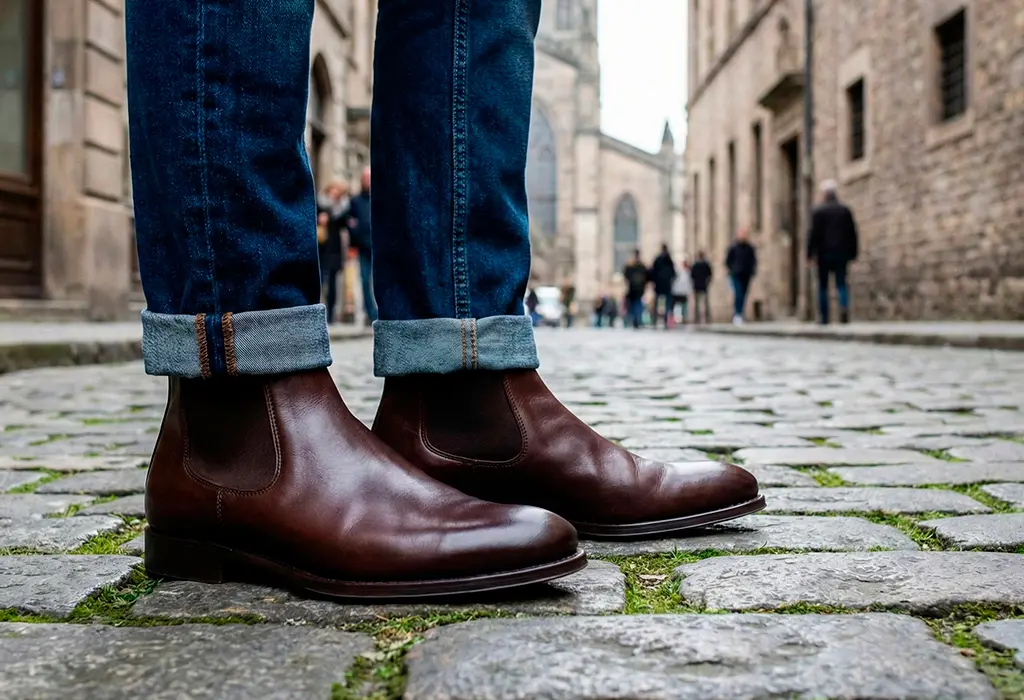
Chukka Boots Pairing Well With Both Casual and Smart Trousers
Most men do not lose style points because they bought the wrong shoes. They lose them because the shoes and trousers are speaking two different languages. Chukka Boots fix that problem with rare ease, sitting between relaxed weekend footwear and polished office-ready shoes without looking confused. In the U.S., where one day can move from a coffee run to a casual Friday meeting to dinner downtown, that middle ground matters. A man who understands balance gets more wear out of fewer pieces, which is the quiet secret behind a better wardrobe.
The appeal is not loud. It comes from shape, ankle height, leather texture, and the way the boot line meets the trouser break. A good pair can make chinos look sharper, wool pants feel less stiff, and denim appear more intentional. That is why style-focused readers who follow modern menswear guidance often treat this boot as a wardrobe anchor rather than a seasonal extra. The trick is not owning them. The trick is pairing them with the right trousers in the right setting.
Why This Boot Shape Works Across Dress Codes
Footwear usually announces the mood before anything else does. Heavy boots make trousers feel rugged. Sleek loafers push an outfit toward polish. This ankle-height design succeeds because it does neither too aggressively, which lets your trousers decide how formal the outfit should feel.
The Low Ankle Profile Keeps Outfits Flexible
The low ankle cut gives the boot its strongest advantage. It has enough height to feel more finished than a sneaker, but not enough bulk to fight the line of your trousers. That matters when you wear slim chinos, straight denim, or tapered wool pants because the hem needs a clean place to land.
A taller boot often demands attention. It changes how fabric stacks, folds, and moves around the ankle. This style stays quieter, so the outfit feels built rather than forced. That is why it works for a man wearing dark jeans to a brewery in Denver and for another wearing charcoal trousers to a relaxed office in Boston.
The unexpected part is how much the ankle opening controls formality. A narrow opening feels dressier because it continues the line of the leg. A wider opening feels more casual because it creates space and shadow around the hem. Same category of footwear. Different message.
Why Suede Boots Soften Dressier Pants
Texture changes the whole outfit before color even enters the room. Suede boots bring a softer surface that takes the edge off tailored pants without making them look careless. This is useful when wool trousers feel too formal for a restaurant, a client lunch, or a creative workplace.
Smooth leather can look sharper, but it also raises the dress signal. Suede sits lower on that scale. It gives gray flannel, navy wool, and brown dress pants a more approachable look, especially when the rest of the outfit includes a knit polo, a casual blazer, or an Oxford shirt with the sleeves left alone.
American style has become less stiff, but not sloppy. That middle lane is where this texture earns its keep. A pair in sand, taupe, or dark brown can make dressier trousers feel lived-in without dragging them into weekend-only territory.
Chukka Boots With Casual Trousers for Everyday Wear
Casual dressing has its own traps. It can turn lazy fast, especially when the shoes look like an afterthought. Chukka Boots give casual trousers more structure, but they still keep the outfit relaxed enough for daily American life.
How Casual Trousers Look Better With Structure
Casual trousers need shape from somewhere. If the pants are cotton, washed, or slightly loose, the footwear has to provide enough weight to hold the outfit together. That is why casual trousers pair so well with ankle boots that have a clean toe and a moderate sole.
Think about a Saturday in Austin: olive chinos, a white tee, a denim jacket, and brown ankle boots. Nothing feels dressed up, yet nothing feels careless. The boots give the trousers a finish that sneakers would not provide, especially if the pants have a straight or tapered leg.
The counterintuitive move is avoiding too much rugged detail. Thick lug soles, heavy stitching, and bulky toes can make casual pants look shorter and heavier. A cleaner boot shape lets the trousers keep their natural ease while still looking planned.
Best Colors for Denim, Chinos, and Canvas Pants
Color decides whether the outfit feels calm or scattered. Dark brown works with blue denim, khaki chinos, olive pants, and gray casual trousers because it sits close to classic American menswear. It feels familiar without looking dull.
Tan and sand shades create a lighter mood. They work well with faded denim, off-white canvas pants, and stone chinos, especially in spring and early fall. The catch is contrast. Pale footwear under dark trousers can draw the eye downward, so the outfit needs another lighter element near the top, like a cream shirt or beige jacket.
Black is harder, but not useless. It suits black jeans, charcoal cotton pants, and darker city outfits. The mistake is wearing black boots with warm khaki pants and expecting harmony. Those colors can fight unless the shirt, jacket, or belt builds a bridge between them.
Matching Smart Trousers Without Looking Overdressed
Dressier pants can be unforgiving. The fabric is smoother, the crease is cleaner, and every choice around them becomes more visible. Smart trousers work best with this boot style when the footwear respects the sharper line instead of trying to dominate it.
Why Smart Trousers Need Cleaner Boot Details
Smart trousers ask for restraint. A boot with a slim toe, flat laces, and minimal stitching looks far more natural under tailored fabric than one with outdoor details. The goal is not to make the boots disappear. The goal is to let them support the outfit without stealing the frame.
A navy pair of wool trousers with dark brown leather boots can work for a business-casual office in Chicago or a dinner in Washington, D.C. Add a tucked shirt and a soft sport coat, and the outfit feels adult without sliding into formalwear. That balance is hard to get from sneakers and too relaxed from many loafers.
The overlooked detail is the trouser crease. A sharp crease next to a rugged boot creates tension. Sometimes that tension works, but it needs confidence and the right setting. For safer results, pair sharper trousers with sleeker boots and keep the sole thin enough to match the fabric’s refinement.
How Trouser Break Changes the Whole Outfit
The trouser break is where many good outfits fall apart. If the hem puddles on the boot, the entire look becomes heavy. If the trouser is cropped too high, the outfit can feel like it is trying too hard. The best break usually touches the top of the boot with a slight fold or no break at all.
This matters more with smart trousers than denim because tailored fabric shows mistakes faster. Wool and dress cotton do not hide bunching well. A clean hem line keeps the leg long and lets the boot appear as part of the outfit, not an interruption at the bottom.
There is a useful rule here: the dressier the trousers, the cleaner the break should be. Casual pants can stack a little. Tailored pants need discipline. That one adjustment can make a budget outfit look considered and an expensive outfit look worth the money.
Building Complete Outfits Around the Pairing
Shoes and trousers start the conversation, but the rest of the outfit has to agree. The shirt, jacket, belt, and outerwear decide whether the pairing feels relaxed, sharp, or stuck in between. Good style comes from making those pieces support the same mood.
Men’s Ankle Boots With Shirts and Jackets
Men’s ankle boots work best when the upper half has some texture or structure. A plain tee can work with jeans, but add an overshirt and the outfit gains shape. A button-down shirt works with chinos, but add a wool chore coat and the look feels richer without becoming formal.
For a fall weekend in New York, try straight dark denim, a gray crewneck sweater, and a tobacco suede jacket. For a casual office in Seattle, wear navy chinos, a pale blue Oxford shirt, and a soft brown belt. Both outfits rely on the same idea: the boot should feel connected to at least one piece above the waist.
A mismatch often happens when the top half is too athletic. Performance hoodies, shiny puffers, and gym-ready fabrics can make leather or suede footwear feel out of place. Cotton, wool, denim, corduroy, and brushed twill usually create a better conversation.
How Suede Boots and Leather Belts Should Coordinate
Suede boots do not need an exact belt match. In fact, exact matching can feel stiff. The better move is staying within the same color family. A medium brown belt can sit comfortably with taupe footwear, while a dark brown belt can support chocolate or tobacco tones.
Leather belts work with suede because they add a slight polish contrast. That contrast helps the outfit avoid looking flat. If every surface is soft and matte, the look can lose definition. A belt, watch strap, or jacket button can add enough finish to keep things sharp.
One practical U.S. example is the business-casual commute. A man wearing gray trousers, a navy knit, and brown suede footwear can add a dark brown belt and look ready for an office that no longer expects hard dress shoes. The outfit feels current because it respects comfort without giving up standards.
Conclusion
A strong wardrobe is not built from pieces that only work once. It is built from items that adapt without losing character. That is why this boot-and-trouser pairing deserves more attention than flashier footwear trends. It gives you range: relaxed enough for denim, polished enough for tailored cotton, and calm enough for wool pants when the setting allows it.
The smartest move is to think from the hem down. Choose the trouser shape first, then match the boot’s toe, texture, and color to that line. Chukka Boots reward that kind of attention because they do not need noise to improve an outfit. They need the right proportion, the right break, and a little discipline with color.
Start with dark brown or tobacco suede, pair them with the trousers you already wear most, and build from there. Your best outfits may not come from buying more clothes. They may come from finally making the pieces you own work harder.
Frequently Asked Questions
What trousers look best with ankle-height desert-style boots?
Slim, tapered, and straight-leg trousers usually work best because they sit cleanly over the ankle. Chinos, dark denim, wool trousers, and brushed cotton pants all pair well when the hem has little or no break.
Can men wear this boot style with dress pants?
Yes, but the boot needs a clean toe, slim profile, and refined sole. Smooth leather or darker suede works better than rugged versions. Keep the trouser break neat so the outfit looks intentional rather than mixed by accident.
Are suede boots better than leather for casual outfits?
Suede often feels more relaxed because the texture is softer and less formal. It pairs well with denim, chinos, corduroy, and canvas pants. Leather works better when the outfit needs a sharper finish or a dressier mood.
What color boots work with khaki chinos?
Dark brown, tobacco, sand, and taupe all work well with khaki chinos. Dark brown feels classic and grounded, while lighter shades create a softer daytime look. Black is harder to pair because it can look too stark against warm khaki.
Should trousers cover the top of ankle boots?
The trouser hem should usually touch or slightly cover the top of the boot. Too much stacking looks messy, while too much ankle exposure can feel forced. A slight break or clean no-break hem gives the sharpest result.
Can this footwear work for business casual offices?
Yes, especially in workplaces that allow relaxed tailoring. Pair darker leather or suede boots with chinos, wool trousers, Oxford shirts, knit polos, or soft blazers. Avoid distressed finishes, thick soles, and overly casual pants in office settings.
What socks should men wear with this boot and trouser pairing?
Choose socks that connect with the trousers, not the boots. Navy, charcoal, brown, olive, and patterned dress socks often work well. White athletic socks usually break the line and make the outfit look less considered.
Do these boots look better with slim or straight trousers?
Both can work, but the fit must match the boot shape. Slim trousers suit sleeker boots with narrow toes. Straight trousers work better with slightly rounder toes and modest soles. The goal is balance at the ankle.
Related Post
Top Style Trends for Everyday Chic Looks
You do not need a celebrity closet to look pulled together. You need taste, restraint,…