Parka Coats Keeping You Warm Without Sacrificing Any Style Points
Trends Wave Hub – Trending Style Insights >> Fashion>> Parka Coats Keeping You Warm Without Sacrificing Any Style Points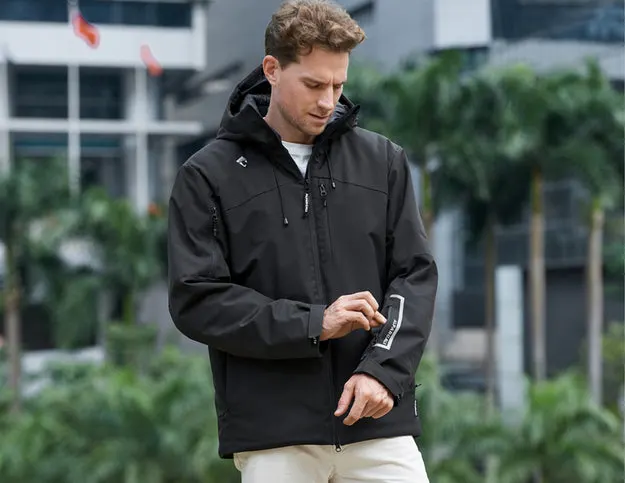
Parka Coats Keeping You Warm Without Sacrificing Any Style Points
Cold weather exposes weak outfits fast. A sharp sweater, clean denim, and good boots can still fall flat when the coat on top looks like a sleeping bag with sleeves. That is why parka coats have earned a better place in American winter wardrobes, especially in cities where style still matters when the sidewalks freeze. From Chicago train platforms to snowy Denver weekends, the right parka gives you warmth without making you look like you gave up. Good winter dressing is not about suffering for the outfit. It is about choosing pieces that work hard and still look intentional. Readers who follow modern fashion and lifestyle trends know the coat is not an afterthought once the temperature drops. It becomes the outfit. A parka can frame your whole look, protect you from ugly weather, and still leave room for personal taste. The trick is knowing what separates a polished one from a bulky mistake.
Why Parka Coats Became the Smart Winter Style Choice
A winter coat has one job first: keep you warm. The problem starts when warmth becomes an excuse for bad shape, cheap fabric, or a color that fights everything in your closet. American shoppers have gotten smarter about this. They want cold weather fashion that can survive snow, wind, errands, travel, and a dinner reservation without needing a full outfit change.
Why Warmth Alone Is No Longer Enough
A heavy coat can still fail you if it ignores how you move through a normal day. Nobody wants to feel trapped inside a stiff shell while driving, walking into a coffee shop, or carrying groceries through a slushy parking lot. The best insulated coats solve that by balancing heat with movement.
This is where the modern parka earns respect. It can carry technical details like storm cuffs, high collars, lined hoods, and deep pockets without looking like mountain gear worn by accident. A black parka over wool trousers feels different from a shiny oversized coat thrown over gym clothes. Same weather. Different message.
In New York, Boston, Minneapolis, and other cold U.S. cities, the coat is often the first thing people notice for five months of the year. That changes the stakes. Winter outerwear becomes less about emergency warmth and more about daily presentation.
How the Parka Shifted From Utility to Wardrobe Anchor
The parka started with survival in mind, not street style. That history still gives it credibility. The longer cut, protective hood, and sealed-up shape all came from practical needs, which is why the design still works when winter gets rude.
What changed is the styling around it. Brands began trimming excess bulk, improving fabrics, and offering colors beyond basic black. A navy parka with clean lines can work over office clothes. An olive one can make denim and boots feel intentional. A beige or taupe version can soften winter outfits that would otherwise look severe.
The counterintuitive part is simple: a parka often looks more stylish when it does less. Too many zippers, patches, fake fur details, and contrast panels can make the coat feel loud in the wrong way. Quiet design usually wins because it lets the shape and fit carry the look.
How to Choose a Parka That Looks Sharp, Not Bulky
A good coat should make your winter routine easier, not turn your mirror into a negotiation. Fit, length, fabric, and color matter more than most buyers expect. Once you get those right, stylish winter coats become much easier to wear across different settings.
What Fit Details Make the Biggest Difference?
A parka should leave room for a sweater without swallowing your frame. The shoulder seam should sit close to your natural shoulder, even if the body has a relaxed shape. When the shoulder drops too far, the coat starts looking borrowed.
Length also changes the whole mood. A mid-thigh parka works well for daily wear because it protects more of your body without dragging the outfit down. Shorter parkas feel sportier and pair well with denim, joggers, and casual boots. Longer versions suit harsh winters, but they need cleaner styling to avoid looking too heavy.
Waist adjustment is a quiet hero. A hidden drawcord can shape the coat without making it tight. That detail matters for both men and women because it keeps insulation from turning into a boxy wall. Warmth should not erase your outline.
Which Colors Work Best for Real American Wardrobes?
Black is safe, but it is not the only smart choice. Navy, charcoal, olive, camel, and deep brown often blend better with the clothes people already own. These shades make cold weather fashion feel more personal while staying easy to repeat.
A Chicago commuter wearing dark denim, tan boots, and a charcoal parka looks pulled together without trying too hard. A woman in Seattle can wear an olive parka over leggings, a cream sweater, and Chelsea boots without losing polish. The color does enough work to make the outfit feel chosen.
Bright colors can work, but they demand confidence and a tighter closet strategy. A red or cobalt parka becomes the main character every time you wear it. That can be fun, but it can also limit how often the coat feels right. For most people, a strong neutral gets more mileage.
Styling Parkas for Work, Weekends, and Nights Out
Once the coat is chosen well, styling gets easier. The best parka does not force one fixed look. It should move from weekday errands to casual offices to winter dinners with small adjustments, not a full reset.
How Can You Make a Parka Work With Office Clothes?
Office styling depends on clean layers underneath. A slim knit, straight-leg trousers, leather boots, and a tailored parka can look polished enough for many American workplaces, especially where business casual has replaced suits. The coat should look neat, not tactical.
Fabric finish plays a role here. Matte shells look more refined than overly shiny ones. Minimal hardware helps too. When buttons, snaps, and zippers match the coat color or stay subtle, the whole outfit feels calmer.
For men, a navy parka over a gray crewneck and dark chinos can handle a casual office without looking careless. For women, a belted parka over a knit dress and knee-high boots creates warmth with shape. The point is not to make the parka formal. The point is to keep it from fighting the rest of the outfit.
What Makes Weekend Parka Outfits Feel Intentional?
Weekend dressing gives the parka more freedom. Denim, fleece, hoodies, cargo pants, knit beanies, and rugged boots all work, but the outfit still needs one clean anchor. That might be dark jeans, crisp sneakers, or a structured bag.
The mistake is piling casual on casual until everything looks accidental. A hoodie under a parka can look great if the pants fit well and the shoes are clean. Sweatpants can work if they have shape and the coat is not sagging around them. Stylish winter coats do not save sloppy outfits, but they can elevate relaxed ones.
A practical example is a Saturday grocery run in Denver: olive parka, black thermal top, straight jeans, waterproof boots, and a wool cap. Nothing fancy. Still, every piece makes sense. That is the sweet spot.
Cold-Weather Details That Separate Quality From Hype
The label on the sleeve matters less than what the coat does after the third freezing week. Some parkas look strong in a product photo but lose their charm when wind slips through the zipper or the hood collapses in wet snow. Quality reveals itself through details you feel before you admire.
Which Features Actually Help in Harsh Weather?
A high collar is worth more than a trendy logo. It protects your neck when you forget a scarf, which happens often during rushed mornings. Storm flaps over zippers help block wind, and ribbed cuffs keep cold air from sneaking up the sleeves.
The hood deserves attention. A hood that is too shallow blows back. A hood that is too deep blocks side vision. The best ones adjust without fuss and sit comfortably over a hat. That small detail matters when you are crossing an icy parking lot with both hands full.
Insulation type also changes comfort. Down is warm and light, but it can lose performance when soaked unless treated. Synthetic fill handles damp weather better and often costs less. Insulated coats should match your climate, not someone else’s idea of luxury.
How Do You Spot Poor Construction Before Buying?
Weak parkas often reveal themselves through uneven stitching, thin pocket lining, cheap snaps, and zippers that catch before the coat leaves the store. Those flaws get worse in winter because cold fingers make every bad closure more annoying.
Check the inside as carefully as the outside. A coat can look handsome from the front but feel unfinished once you inspect the seams. The lining should sit flat, the hood should attach cleanly, and the pockets should feel strong enough for keys, gloves, and a phone.
The unexpected truth is that weight does not always mean warmth. Some heavy coats rely on bulk instead of smart insulation. A lighter parka with better fill, wind protection, and a clean fit can outperform a heavier one that only feels impressive on the hanger.
Frequently Asked Questions
What are the best parka coats for everyday winter wear?
The best everyday options have a mid-thigh length, adjustable hood, warm lining, deep pockets, and a clean neutral color. Choose a fit that leaves room for layers without looking oversized. Black, navy, olive, and charcoal work well for most wardrobes.
How should a parka fit without looking too bulky?
The shoulders should sit close to your natural frame, while the body should allow a sweater underneath. A hidden waist drawcord helps shape the coat. Avoid sleeves that cover your hands or a body so wide that it hides your proportions.
Are parkas warmer than regular winter jackets?
Parkas are often warmer because they are longer and usually include insulated linings, protective hoods, and wind-blocking details. A regular jacket can still be warm, but a parka gives more body coverage, which helps during snow, wind, and freezing commutes.
Can you wear a parka with business casual outfits?
Yes, but choose a cleaner design with minimal hardware and a matte finish. Pair it with trousers, dark denim, knitwear, Chelsea boots, or leather shoes. A tailored or lightly shaped parka works better for office settings than a sporty oversized version.
What color parka is easiest to style?
Navy, black, charcoal, olive, and camel are the easiest colors to style. They pair well with denim, boots, sweaters, and most winter accessories. Olive and camel add more personality, while black and charcoal feel sharper and more urban.
Are down parkas better than synthetic parkas?
Down is light and warm, which makes it excellent for dry cold. Synthetic insulation performs better in damp conditions and often costs less. Your local weather should guide the choice. Wet coastal winters often favor synthetic, while dry freezing climates suit down.
How do you style a parka for a night out?
Choose a dark, clean parka with less visible hardware. Wear it over a fitted sweater, dark jeans or trousers, and polished boots. Keep accessories simple. A structured scarf or leather gloves can make the whole outfit feel more evening-ready.
What should you avoid when buying a parka?
Avoid poor zippers, thin lining, fake-looking trim, weak stitching, and a fit that overwhelms your frame. Skip coats that feel warm only because they are heavy. Better construction, useful weather details, and clean proportions matter more than bulk.
Related Post
Best Fashion Trends for Modern Women Style
Style gets exposed in real life. A look can seem perfect in your bedroom mirror,…