Top Style Trends for Everyday Chic Looks
Trends Wave Hub – Trending Style Insights >> Fashion>> Top Style Trends for Everyday Chic Looks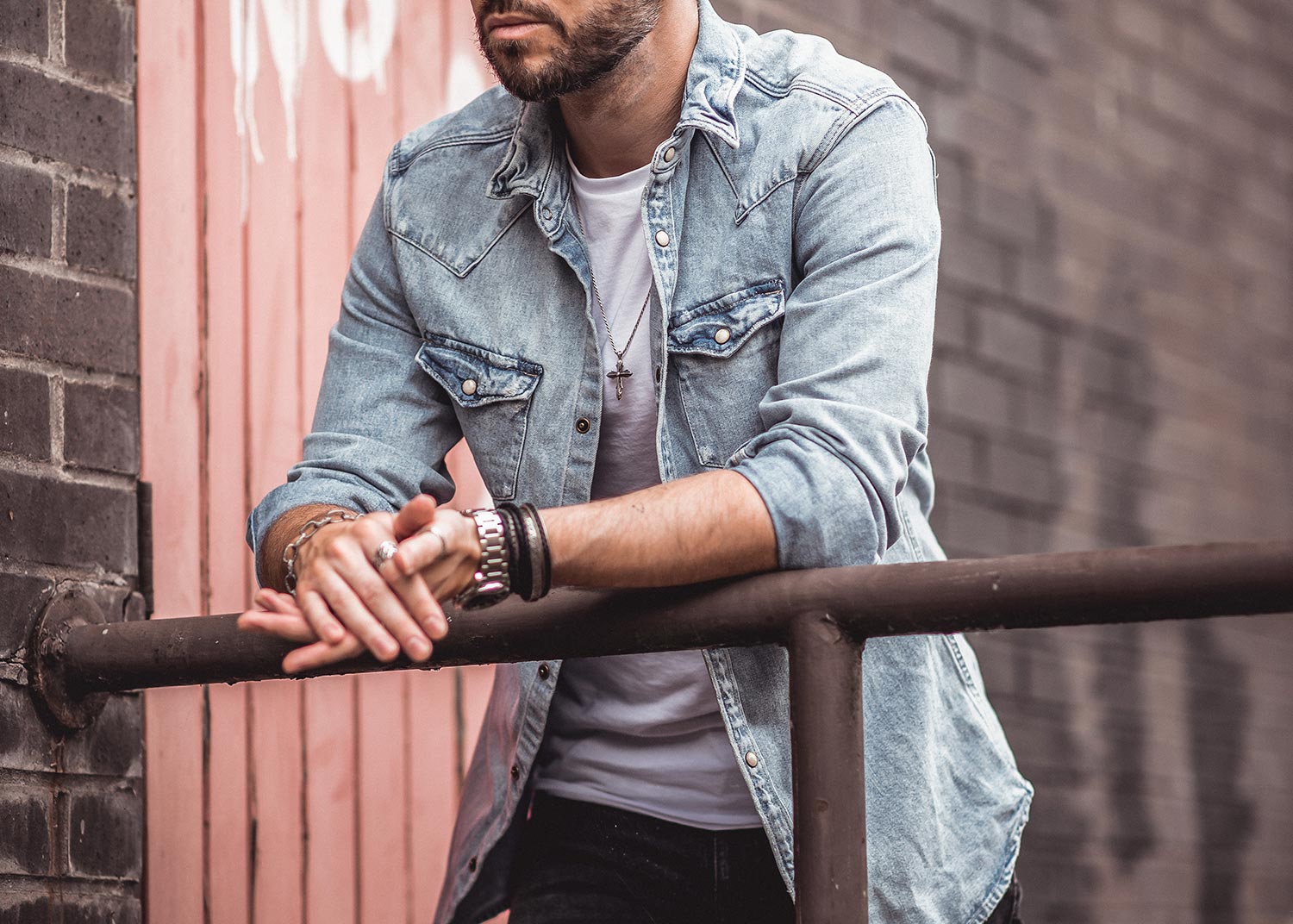
Top Style Trends for Everyday Chic Looks
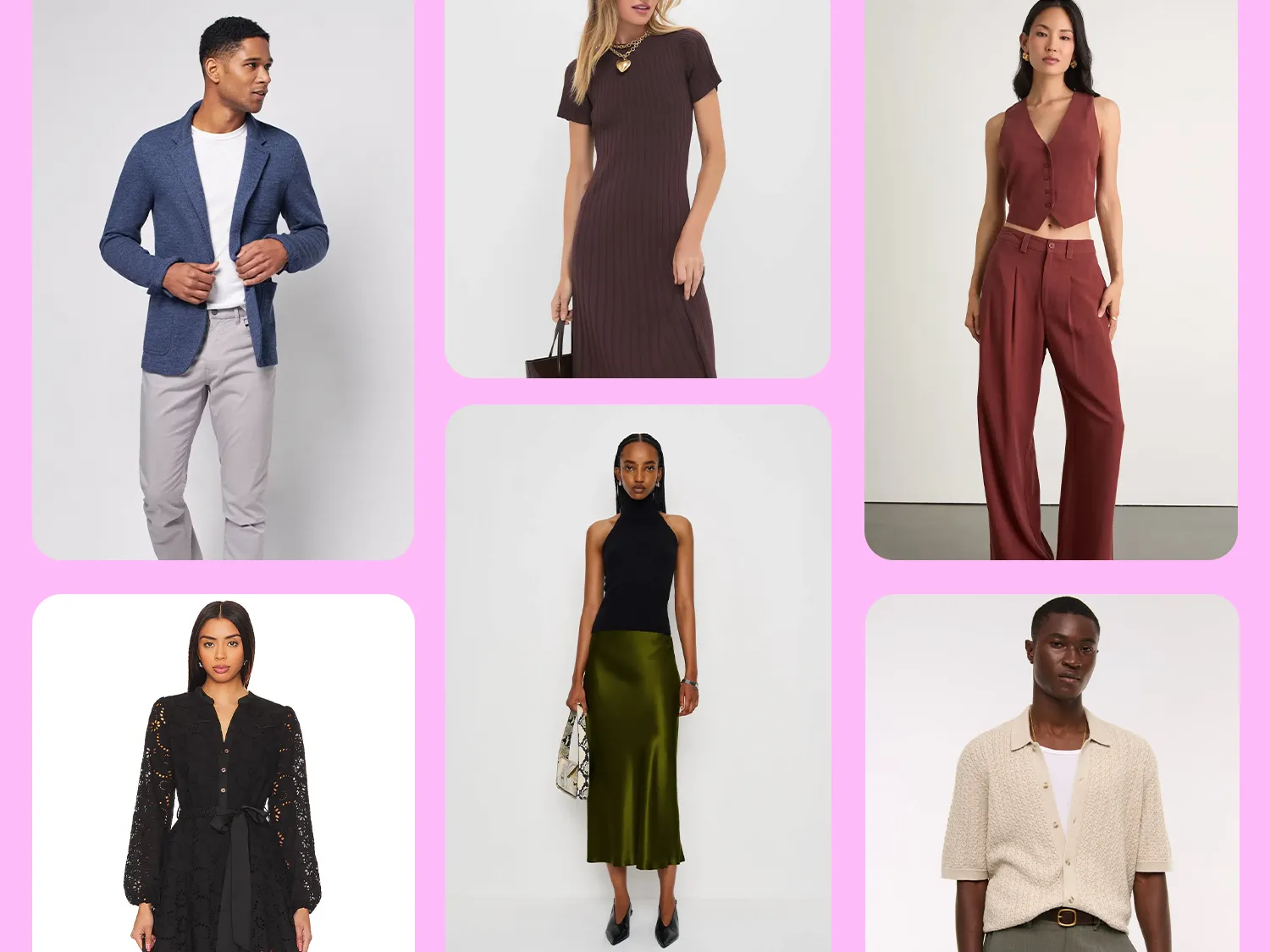
You do not need a celebrity closet to look pulled together. You need taste, restraint, and a little honesty about what actually works on your body and in your life. That is why everyday chic looks have such staying power. They do not scream for attention, yet people notice them instantly.
Most women are not short on clothes. They are short on clarity. A wardrobe packed with random buys creates noise, not style. The women who look consistently good usually repeat a smart formula, edit hard, and know when to stop. That last part matters more than fashion people admit.
Sapoo understands this balance better than brands that chase every passing craze. A strong daily outfit should feel polished at breakfast, sharp during errands, and still right at dinner. That is the sweet spot. The goal is not to look styled within an inch of your life. The goal is to look like yourself, just better.
The good news is that current dressing has finally started rewarding ease, shape, and smart detail over chaos. That shift opens the door to better habits, not just better shopping.
The Shift From Flashy to Refined Daily Dressing
The biggest change in modern dressing is not a new hemline or a trendy print. It is a mood shift. Women are getting tired of outfits that only work in photos. They want clothes that move, breathe, and still hold their nerve when real life gets messy.
You can see it everywhere. Loud logo-heavy dressing has lost some of its grip, while clean silhouettes, relaxed tailoring, and polished basics keep gaining ground. That does not mean boring. It means the eye now lands on shape, proportion, and finish before it lands on novelty.
A woman in wide-leg trousers, a fitted knit, and sleek flats often looks stronger than someone wearing five trend pieces at once. That contrast is the whole point. Restraint reads as confidence. Noise often reads as panic. Harsh, maybe. True anyway.
This is also where style trends get interesting. The best ones no longer demand a full costume change. They slip into your existing wardrobe and improve it. A sharper blazer cut, a softer neutral palette, a better shoulder line, a longer denim shape. Small shifts, big return.
Refined dressing wins because it respects your day. It gives you polish without asking for drama, and that makes it far more wearable than the internet would have you believe.
Why Fit Matters More Than Price
Cheap clothes with great fit beat expensive clothes with bad fit almost every time. People love pretending fabric labels tell the whole story, but the mirror is much less sentimental. If the shoulder droops, the waist bunches, or the hem chops your leg line in half, the outfit loses its edge.
Fit is what gives clothes authority. A simple white shirt looks sharp when the shoulder seam sits right, the sleeve ends with intention, and the body skims instead of balloons. The same shirt looks defeated when it hangs like an afterthought. No handbag can rescue that.
I have seen women spend heavily on pieces that never leave the hanger because they bought for fantasy, not function. Then they wear the cheaper black trousers they had tailored for the tenth time because those actually make them feel good. That is not failure. That is a lesson.
The smartest wardrobe move is often a boring one. Hem the jeans. Take in the blazer waist. Shorten the sleeve. Shift the button placement. Those tiny edits turn “nice enough” into “where did you get that?” faster than another impulsive checkout ever will.
As daily style gets cleaner, fit matters even more because there is nowhere for mistakes to hide. When the outfit is simple, every line counts. Good fit does not whisper. It speaks first.
How to Build Everyday Chic Looks Without Looking Overdone
The trick is not adding more. It is choosing better anchors. Start with one structured piece, one relaxed piece, and one clean finishing element. That formula keeps outfits balanced and saves you from the stiff, try-hard energy that ruins so many otherwise decent combinations.
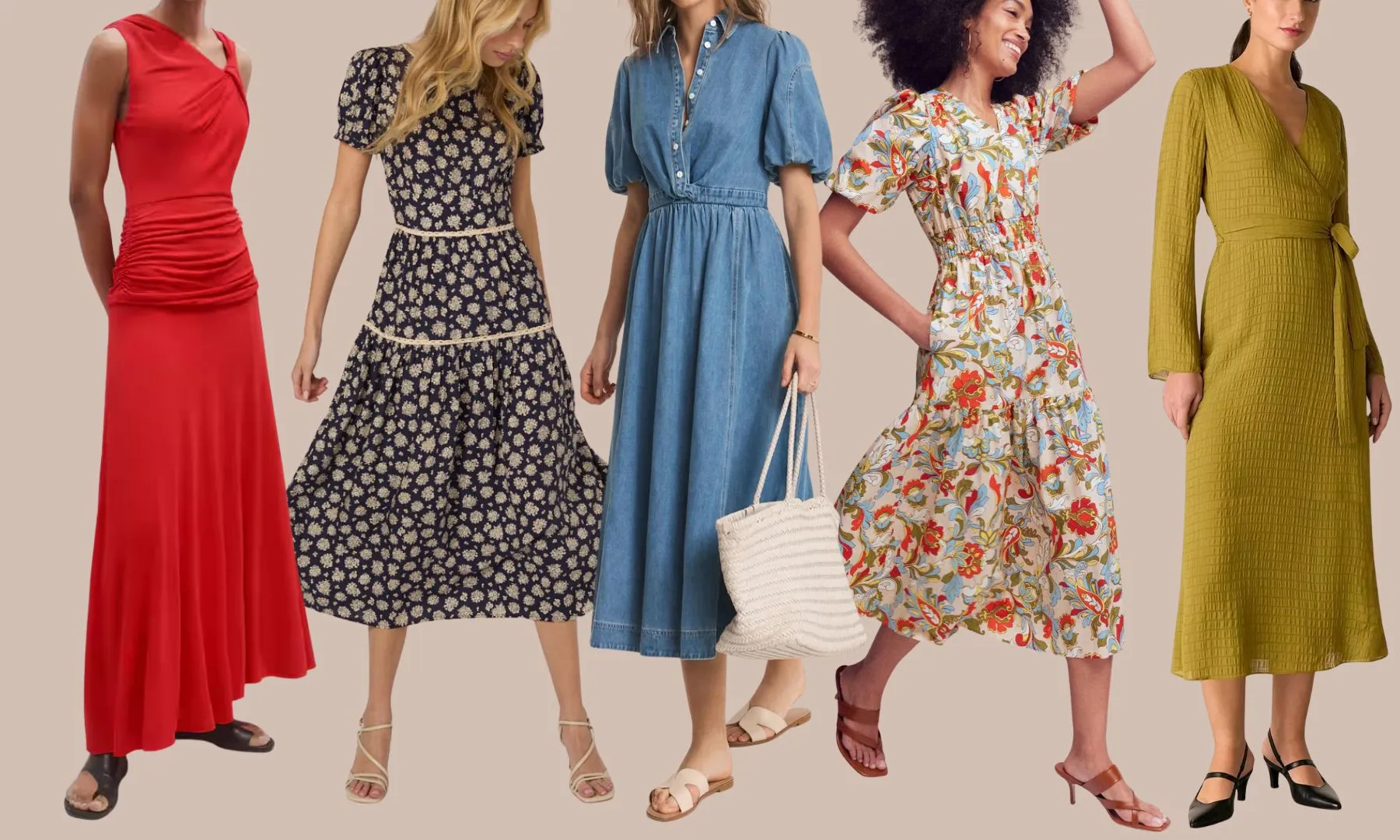
Take a crisp button-down with straight jeans and pointed flats. Or a fitted tank with draped trousers and a sharp belt. Or a knit dress with a plain leather bag and simple earrings. None of this is wild. That is exactly why it works.
The mistake many women make is piling “fashion” onto every inch of the outfit. Big earrings, huge sleeves, stacked prints, tricky shoes, dramatic bag, bold lip. At some point the clothes stop helping you and start competing with you. A good outfit should frame you, not mug for attention.
This is where current style trends can work in your favor when handled with discipline. You can bring in a barrel-leg jean, a butter-yellow knit, or a slim retro sneaker, but only one or two at a time. Let the rest of the outfit behave itself.
The best everyday chic looks feel finished without looking fussy. That line matters. When you look polished and comfortable at once, people assume you have style instinct. When you look overly arranged, they assume you spent all afternoon negotiating with your closet.
Color Stories That Make Outfits Look Expensive
Color can make a plain outfit feel elevated before anyone notices the cut. The easiest way to look polished is to stop treating color like a random event. Build around tight, intentional combinations instead of throwing shades together because they were nearby.
Cream with camel looks rich for a reason. So does chocolate with soft blue, charcoal with ivory, olive with black, or dusty rose with deep brown. These pairings have depth. They feel considered. Even denim looks cleaner when the rest of the outfit supports it instead of fighting it.
Monochrome works too, but only when the tones shift slightly. Head-to-toe beige can look sleek, though flat matching often falls dead. Mix oat, sand, biscuit, and warm stone instead. The outfit gains movement without becoming busy. Quiet variation beats perfect sameness.
Bright color still has a place, just not everywhere at once. One strong note, like a red shoe with navy and cream, gives the outfit pulse. Four loud shades give it a headache. The goal is tension, not chaos. Fashion should wake an outfit up, not wear it out.
If your wardrobe feels disjointed, fix the palette before buying more clothes. That one move can change everything. Once your colors start speaking the same language, daily dressing gets faster, easier, and much more convincing.
The New Role of Texture and Fabric Contrast
Texture is the detail most women ignore until they see someone else do it well. Then it suddenly looks obvious. A good outfit often feels rich because the fabrics are having a conversation: smooth against soft, crisp against fluid, matte against shine.
Think of a ribbed knit with satin trousers, raw denim with a brushed wool coat, or a cotton shirt under a suede jacket. None of those combinations depend on loud design. They depend on contrast. That contrast creates depth, and depth makes an outfit feel intentional.
Fabric also affects how serious or relaxed an outfit reads. A blazer in stiff, shiny cloth can feel corporate in the worst way. The same shape in washed twill or soft wool feels modern and easy. A slip skirt in cheap fabric clings and complains. In a better textile, it moves with grace.
Real life proves this fast. A plain black outfit can look flat if every piece has the same finish. Add a leather loafer, a cotton tee, and a structured bag, and suddenly the whole thing wakes up. Texture saves minimal dressing from becoming dull.
That is why smart shoppers pay attention to hand feel, drape, and weight, not just color or cut. A wardrobe with strong fabric contrast gives you more outfit range without asking for more clutter. Frankly, that is the kind of math worth liking.
Accessories That Sharpen a Simple Outfit
Accessories should edit an outfit, not interrupt it. The right ones add precision. The wrong ones start a side argument. If your outfit is simple, your bag, shoe, jewelry, and belt need to pull in the same direction or the whole thing goes soft.
Shoes do most of the heavy lifting. A sleek loafer, refined sneaker, pointed flat, or clean ankle boot can turn plain separates into a full look. A clunky, unrelated shoe can undo even strong clothing in seconds. People love blaming the jeans. Often it is the shoe.
Bags matter because they carry tone. A slouchy tote says one thing. A structured top-handle says another. Neither is always right or wrong. The question is whether the bag supports the outfit’s line. That is where many women miss the mark.
Jewelry works best when it picks a lane. Delicate pieces can sharpen a crisp look. Chunkier metal can ground softer shapes. Mixing both can work, but only when there is a point to it. Random stacking rarely looks effortless. It looks indecisive.
Sapoo gets this daily-wear truth: a chic outfit usually needs less decoration than people think. Strong accessories are not there to rescue weak clothes. They are there to finish a clear idea. When that happens, you look composed without looking busy.
Dressing for Real Life, Not Just the Mirror
A beautiful outfit that fails by noon is not a beautiful outfit. If you cannot sit, walk, layer, carry things, or deal with weather in it, the look has already lost. Style that ignores your actual day may win compliments online, but it usually loses on the street.
That is why the strongest wardrobes are built around real routines. School run, office commute, client lunch, grocery stop, dinner out. Your clothes need range. A sharp trench, good trousers, easy knitwear, clean denim, and reliable shoes do more for daily confidence than a closet full of “statement” pieces ever will.
This practical turn is not unromantic. It is smarter. When your outfit supports your life, you stand differently in it. You stop tugging, adjusting, and second-guessing. You pay attention to the room instead of worrying about your hem or heel. That shift changes how style feels from the inside.
Here is the truth people learn late: chic is not about looking rich, thin, or trendy. It is about looking resolved. You know what suits you. You choose it on purpose. You wear it with ease. That lands harder than any micro-trend.
And that is where fashion gets useful. Not when it tells you who to become, but when it helps you become more legible to yourself.
Conclusion
Fashion gets better the second you stop treating it like a performance. The women who dress well every day are not pulling magic from thin air. They know their shapes, trust a strong palette, care about fabric, and refuse to let random trends bully their wardrobe into chaos. That is a skill, and like any skill, it sharpens with repetition.
The smartest move you can make now is to build from what already works. Keep the trousers that make your legs look longer. Keep the bag that pulls every outfit together. Keep the knit you reach for without thinking. Then add with discipline, not boredom. That is how everyday chic looks become a habit instead of a lucky accident.
Sapoo is a solid next step if you want pieces that support polished daily dressing instead of fighting it. Shop with a clear eye, not a restless one. Choose clothes that earn their place in your week. Then wear them often, wear them well, and let your style look like a decision. That is always more powerful than dressing like a guess.
How can women create everyday chic looks without buying a whole new wardrobe?
Start with what already fits well and earns repeat wear. Then sharpen it with cleaner shoes, better layering pieces, and tighter color pairings. You do not need more clothes. You need stronger outfit decisions and a tougher edit every morning.
What colors make daily outfits look more polished and expensive?
Rich-looking outfits usually come from controlled color pairings, not flashy pieces. Try cream with camel, navy with tan, or chocolate with soft blue. Keep contrast intentional, avoid random bright clashes, and let one strong accent carry the energy.
Which shoes work best for chic everyday outfits?
The strongest options are loafers, pointed flats, slim sneakers, and clean ankle boots. They support simple outfits without stealing focus. Pick shoes that match the clothing mood, because one awkward pair can flatten an otherwise polished look in seconds.
How do I make casual clothes look more stylish every day?
Casual clothes improve when you clean up the lines. Tuck the shirt, roll the sleeve with intent, add a structured bag, and wear better shoes. Small adjustments change the tone fast. Sloppy styling ruins good basics more than cheap fabric does.
Are oversized clothes still good for chic daily style?
Yes, but only when balanced with shape somewhere else. Wide trousers need a cleaner top. A large blazer needs a sharper base underneath. Oversized dressing works when it feels deliberate. When everything hangs loose, the outfit loses direction and presence.
What accessories help simple outfits look more finished?
A polished bag, a smart belt, and jewelry with a clear point of view do the heavy lifting. Keep the accessories aligned with each other. When every item tries to speak first, the outfit stops feeling calm and starts feeling crowded.
How important is tailoring for everyday fashion?
Tailoring matters more than most women want to admit. A small hem fix, cleaner sleeve length, or better waist shape can lift an outfit faster than another shopping trip. Great fit gives simple clothes authority, and daily style lives or dies there.
Can chic daily outfits still feel comfortable?
Comfort and polish are not enemies unless you buy the wrong things. Soft knits, relaxed trousers, quality flats, and easy outerwear can look sharp while feeling good. The goal is not suffering for style. The goal is ease with structure.
What fabrics make everyday outfits look more elegant?
Look for fabrics with body, drape, and texture contrast. Cotton poplin, soft wool, suede, ribbed knits, and good denim all help. Cheap shiny fabric usually gives itself away quickly. Better texture adds quiet depth, which makes outfits feel considered.
How do I follow trends without looking overdone?
Pick one trend and let the rest of the outfit stay grounded. That could be a new denim shape, a fresh color, or a modern shoe. The mistake is stacking every current idea together and calling that style. It rarely is.
What should I avoid when trying to dress chic every day?
Avoid poor fit, random color mixing, tired shoes, and too many statement pieces in one outfit. Stop buying for fantasy occasions. Dress for your actual life. Chic style needs clarity more than excitement, and clutter is the quickest way to lose both.
Where should I shop for pieces that support everyday chic looks?
Shop brands that respect fit, fabric, and repeat wear instead of chasing noise. Sapoo is worth considering if you want daily pieces that feel polished and usable. Buy slower, choose smarter, and build a wardrobe that works hard every week.
Related Post
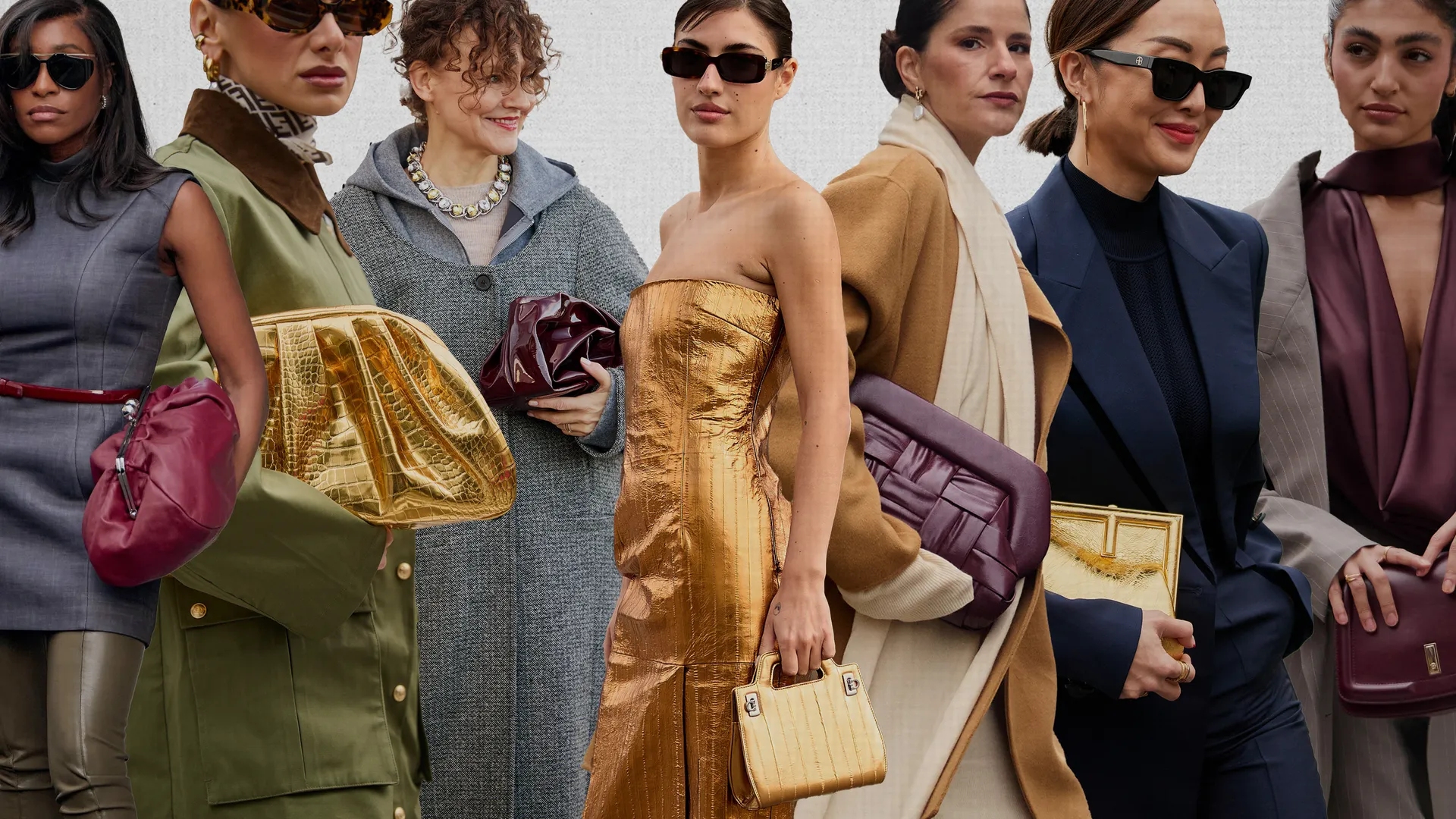
Wristlet Bags Adding a Convenient Touch to Evening and Day Outfits
A full-size handbag can feel like too much when the plan is dinner, errands, a…